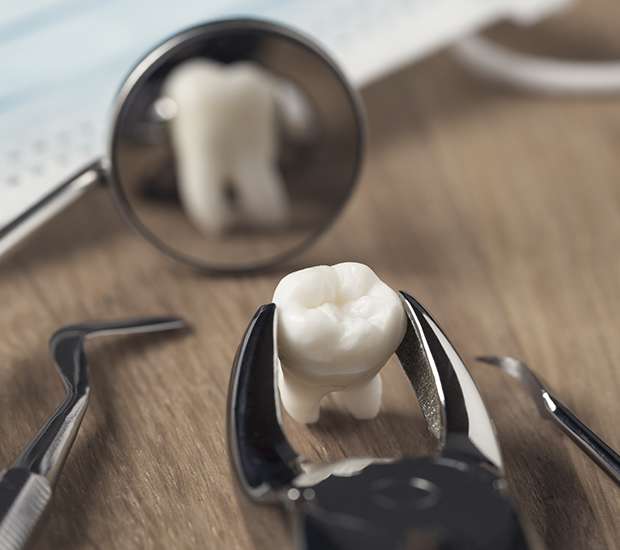
When Is Tooth Extraction Necessary Whittier, CA
Although preserving a natural tooth is usually the goal, there are times when extraction is the healthiest and most predictable option. A tooth may need to be removed because of severe decay, fracture, infection, bone loss, crowding, or because it can no longer be restored reliably.
At Bailey Family Dental in Whittier, we evaluate whether a tooth can still be saved or whether extraction is the better long-term decision. If you have severe pain, swelling, infection, or a badly damaged tooth, visit our Emergency Dentist page or call us at (562) 698-8739.
When Extraction Becomes the Better Option
Many teeth can be saved with a filling, crown, root canal, or other restorative treatment. However, some teeth become too damaged, too infected, too loose, or too structurally compromised to be predictably restored. When that happens, extraction may be the better way to protect the rest of the mouth and move toward a healthier long-term result.
One of the biggest misunderstandings I see is patients assuming that if a tooth can be treated at all, it should always be saved. In real life, that is not always the best answer. Sometimes the issue is not whether a procedure can be done, but whether the tooth has a realistic long-term prognosis afterward.
I also see patients worry that recommending an extraction means we are giving up too quickly. In reality, the opposite is usually true. Extraction becomes the recommendation when trying to hold onto the tooth would likely lead to more pain, more cost, more time, and a less predictable outcome.
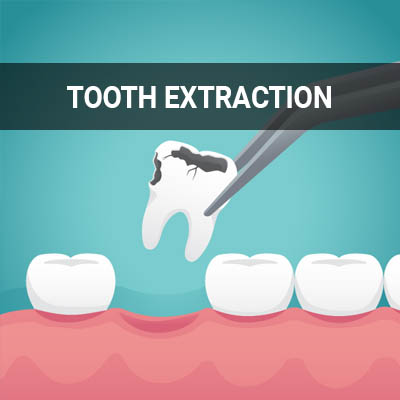
If you are unsure whether your tooth may still be savable, our Tooth Extraction page explains more about what the procedure itself is like.
“The issue is not only whether a procedure can be done, but whether the tooth has a realistic long-term prognosis.”
When Infection or Damage Is Too Severe
Extraction may be necessary when a tooth has extensive decay, deep fracture, severe periodontal bone loss, or infection that has made the tooth too unstable to save predictably. In some cases, a root canal can preserve a tooth. In others, too much structure has already been lost, or the surrounding support is no longer strong enough.
One practical pattern I see is that patients often wait until the pain becomes extreme before assuming something is serious. Unfortunately, teeth that need extraction do not always look dramatic at first. Sometimes the tooth has been slowly deteriorating for a long time, and by the time symptoms become obvious, the damage is already too advanced for a dependable restoration.
Another important point is that extracting a non-restorable infected tooth can prevent the problem from continuing to affect nearby bone, gums, and surrounding teeth. When the problem is urgent, our Emergency Dentist page can help explain when immediate evaluation makes sense.
If the question is whether the tooth might still be saved with endodontic treatment, our Do I Need a Root Canal? page can also help clarify the difference.
“By the time symptoms become obvious, the damage may already be too advanced for a dependable restoration.”
Crowding, Impacted Teeth, and Orthodontic Reasons
Sometimes extraction is recommended even when the issue is not severe decay or infection. Teeth may need to be removed because of crowding, impaction, poor position, or to make orthodontic treatment more effective. Wisdom teeth are one of the most common examples.
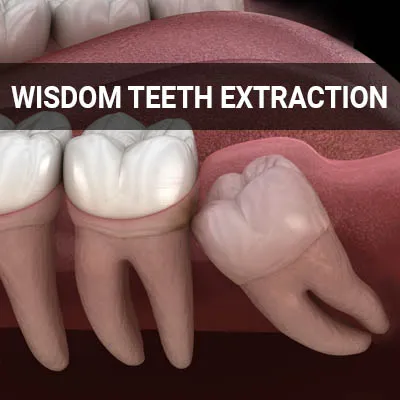
Not every wisdom tooth needs to be removed. However, once wisdom teeth start causing repeated gum irritation, swelling, pressure, infection, food trapping, or crowding, extraction often becomes the healthier choice. Partially erupted wisdom teeth are especially easy to underestimate because symptoms can come and go.
I also see patients assume that if a crowded or impacted tooth is not hurting much, it can just be ignored. Sometimes that is true for a period of time. But sometimes the tooth is creating a cleaning problem or a pressure problem that gets worse gradually. That is why monitoring and timing matter.
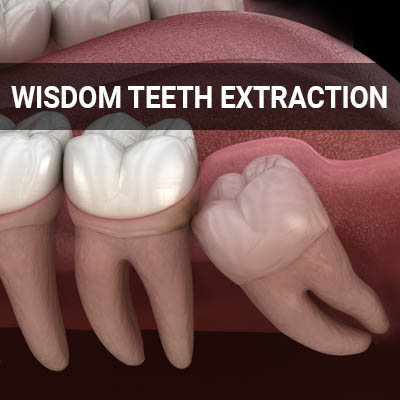
If your concern involves wisdom teeth specifically, our Wisdom Teeth Extraction page goes into more detail.
“Partially erupted wisdom teeth are especially easy to underestimate because symptoms can come and go.”
Check out what others are saying about our dental services on Yelp: When Is Tooth Extraction Necessary in Whittier, CA
When a Filling, Crown, or Root Canal Is Not Enough
Restorative treatment works best when there is enough healthy tooth structure left to support it. A filling may fail if the tooth is too weak. A crown may not be enough if the tooth is badly fractured or there is not enough remaining structure to hold it predictably. A root canal can only help if the tooth is still restorable afterward.
One real-world situation I see often is a tooth that has already had multiple fillings, a crown, or other major work over the years. At some point, there may not be enough strong tooth left for another repair to hold up well. In those cases, extraction can be the more honest and predictable recommendation.
This is one of the strongest E-E-A-T points for pages like this: the goal is not to keep doing dentistry on a tooth just because another procedure is technically possible. The goal is to choose the option that makes the most sense long-term for the patient.
If you are wondering whether the tooth might still qualify for endodontic treatment, our Root Canal Treatment page explains when saving a tooth may still be realistic.
“The goal is not to keep doing dentistry on a tooth just because another procedure is technically possible.”
Questions Answered on This Page
Q. When does extraction become the better option?
Q. When is infection or damage too severe?
Q. Why are crowded or impacted teeth removed?
Q. When is restoration not enough?
Q. What trauma can make extraction necessary?
People Also Ask
Q. How will my doctor help me prepare for my tooth extraction?
Q. When should one seek emergency dental care?
Q. Can a cracked tooth still be saved?
Trauma and Tooth Extraction
Teeth are strong, but they are not indestructible. Trauma from sports injuries, falls, car accidents, or biting on something unexpectedly hard can create fractures or structural damage severe enough that the tooth cannot be predictably restored.
One important thing I see after dental trauma is that the visible damage does not always tell the full story. A tooth may look only chipped on the surface, while the deeper fracture pattern is much more serious. That is one reason patients should not judge the situation only by what they can see in the mirror.
I also see patients try to wait because the tooth feels “not that bad yet.” After trauma, early evaluation matters. Some cracked or loosened teeth get worse quickly when patients continue biting on them or wait too long to have them examined.
If your situation involves a cracked or fractured tooth, our Types of Dental Root Fractures page and Can a Cracked Tooth Be Saved with a Root Canal? page may help you understand the difference between a savable tooth and one that may need removal.
“The visible damage does not always tell the full story.”
Frequently Asked Questions
Q. When should I seriously consider tooth extraction?
A. Extraction should be considered when a tooth is too damaged, infected, fractured, loose, or poorly positioned to be predictably saved. The right answer depends on whether the tooth still has a realistic long-term prognosis after treatment.
Q. Does tooth extraction hurt?
A. The area is numbed for the procedure, so patients usually feel pressure rather than sharp pain during the extraction itself. Some soreness afterward is normal and is managed with aftercare instructions and appropriate pain control.
Q. What should I expect after a tooth extraction?
A. Most patients can expect soreness, some swelling, and mild bleeding early in recovery. We provide detailed instructions for protecting the blood clot, eating, activity, and watching for problems during healing.
Q. Can a badly damaged tooth still be saved instead of extracted?
A. Sometimes yes, sometimes no. The answer depends on how much healthy tooth remains, whether the root and surrounding bone are stable, whether the tooth is fractured, and whether the long-term outcome would still be predictable.
Q. Can I smoke after a tooth extraction?
A. Smoking should be avoided during early healing because it can interfere with blood clot stability, slow healing, and increase the risk of complications such as dry socket.
Q. What if I wait too long?
A. Waiting can allow infection, fracture, bone loss, or tooth breakdown to worsen. In some cases, a tooth that may have been borderline savable earlier becomes much less predictable later.
Get the Tooth Evaluated Before the Situation Gets Worse
If a tooth is badly damaged, painful, infected, or loose, early evaluation can make the next step clearer and more predictable. Our team can help determine whether the tooth should be saved or whether extraction is the healthier long-term choice.

Scan here to view this page, When Is Tooth Extraction Necessary, on mobile

Dental Terminology
Find Out Whether the Tooth Can Still Be Saved
When necessary, extraction can relieve pain, remove infection, and protect your long-term oral health. Our team at Bailey Family Dental can help determine whether saving the tooth is still realistic or whether extraction is the better option. Call us at 562-698-8739 to schedule an appointment.
Helpful Related Links
- American Dental Association. ADA Home Page
- MouthHealthy. Extractions
- MedlinePlus. Patient Health Information
About our business, license, and website security
- Bailey Family Dental – Brian Choi, DMD – Whittier, CA was established in 2020.
- We accept the following payment methods: American Express, Cash, Check, Discover, MasterCard, and Visa.
- We serve patients from Los Angeles County and Orange County.
- We serve patients from Whittier, La Mirada, Santa Fe Springs, La Habra, Hacienda Heights, Pico Rivera, Downey, Buena Park, Rowland Heights and City of Industry.
- CA (License #61926). View License Information and Specifics
- National Provider Identifier Database (1811276025). View NPI Registry Information
- Healthgrades. View Background Information and Reviews
- Norton Safe Web. View Details
- Trend Micro Site Safety Center. View Details

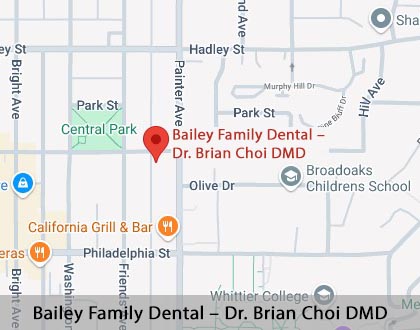
Scan here to open directions to Bailey Family Dental on mobile
Back to top of When Is Tooth Extraction Necessary
Related Posts

Recovery Time After Wisdom Tooth Extraction
A wisdom teeth extraction is a procedure done to remove the last set of molars to emerge in the mouth. The pain, discomfort and swelling that patients experience after the procedure is part of the healing and recovery process. One question many patients ask is how long recovery takes, and this article answers that question…

Why A Toothache Can Worsen At Night
A toothache that feels worse at night can be frustrating and stressful. In some cases, the tooth may not actually be changing overnight, but the pain can feel stronger because of body position, fewer distractions, or irritation from food, grinding, or inflammation.Tooth pain that gets worse at night is different from pain triggered by sweets,…

Do I Really Need A Dental Crown?
You need a dental crown when a tooth is too weak or too damaged for a filling to hold and protect it — most often after a large cavity, a crack, a broken cusp, or a root canal. If enough healthy tooth structure remains, a filling is usually the better and more conservative choice, and…

Why Does My Tooth Hurt After A Filling?
It is common to have some tooth sensitivity or soreness after a filling. Mild sensitivity to cold, heat, or pressure for a few days to a couple of weeks is normal as the tooth settles, especially with a deeper filling. The pain should steadily fade. Pain that gets worse, throbs, or lasts beyond two to…
Explore additional topics covered on our website:
Call Us Today

Scan here to call Bailey Family Dental on mobile
When Is a Tooth Extraction Necessary Whittier, CA
Although it is best to preserve a natural tooth, there are times when a tooth extraction is necessary. An extraction may be the best option to maintain oral health due to trauma, disease, or crowding. Tooth extraction involves the complete removal of one or more teeth from the jaw bone.
Tooth extraction is available at Bailey Family Dental - Brian Choi, DMD - Whittier, CA in Whittier and the surrounding area. Our team can extract teeth gently and safely to preserve your oral health. Call us at (562) 698-8739 to learn more about our services or schedule an appointment.
A Normal Procedure
While it is best to preserve natural teeth, many reasons can necessitate tooth extraction. Sometimes a filling or crown is not enough to restore a tooth. The American Dental Association suggests the extraction of teeth that have suffered severe trauma, have extreme tooth decay or disease, or are crowding the surrounding teeth. It is also normal for patients to have an extraction or two before orthodontic treatment.
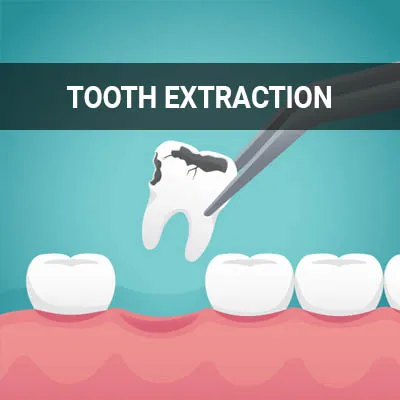
Many tooth extractions are relatively simple and performed in-office. For teeth that are visible about the gum line, we will numb the extraction site and remove the tooth with forceps. Broken or impacted teeth require a more involved procedure.
“The American Dental Association suggests the extraction of teeth that have suffered severe trauma, have extreme tooth decay or disease, or are crowding the surrounding teeth.”
Preventing Infection
According to the National Institute of Dental and Craniofacial Research, gum disease is the most common cause of tooth loss in adults. Gum disease occurs when bacteria get below the gum line and causes infections. Without treatment, oral bacterial leads to gum recession, damage to the jawbone, loose teeth, and even tooth loss.
Research has also shown chronic dental infections can cause inflammation that contributes to cardiovascular disease, stroke, and many other related diseases. While a root canal can often save a tooth from decay, sometimes a tooth is beyond saving due to lost structure and stability. Tooth extraction can prevent damaging decay and infection from spreading.
“Tooth extraction can prevent damaging decay and infection from spreading.”
Overcrowded or Impacted Teeth
In some cases, it is beneficial to have crowded or impacted teeth extracted. Impacted wisdom teeth do not have enough room to grow. Extraction can prevent pain, infection, and other dental problems. While not all wisdom teeth need removal, it is necessary once they start causing problems. In some cases, wisdom teeth do not fully break through the gums and can cause crowding issues. A partially erupted wisdom tooth is especially susceptible to cavities.
Patients may also need teeth extracted before receiving braces. Orthodontics involves the process of properly aligning the teeth, which may be tough without enough room. Crowded teeth increase a patient's risk of developing gum disease and cavities. Extracting teeth can relieve crowding and impacted teeth.
“Extraction can prevent pain, infection, and other dental problems.”
Check out what others are saying about our dental services on Yelp: When Is a Tooth Extraction Necessary in Whittier, CA
When Tooth Restoration Is Not Enough
Typically, the first option to restore a damaged tooth is a crown or filling. If the damage is too severe, trying to save a tooth may put oral health at further risk. A filling may put the tooth at risk for shattering, while a tooth may not be strong enough to support a crown. Root canals are also not possible when there is too much tooth damage.
Each tooth has a limit to how many times it can be worked on before it starts to fail. Redoing a crown or root canal only buys so much time. After several fillings, crowns, and root canals, there will not be much of the tooth left to save. At that point, tooth extraction is the best option to maintain oral health.
“If the damage is too severe, trying to save a tooth may put oral health at further risk.”
Questions Answered on This Page
Q. Why would a tooth need to be extracted?
Q. Why is stopping infection from spreading important?
Q. Why do I need my wisdom teeth or other teeth removed?
Q. When is restoration not enough to save a tooth?
Q. What sorts of trauma can necessitate tooth extraction?
People Also Ask
Q. How will my doctor help me prepare for my tooth extraction?
Q. When should one seek emergency dental care?
Q. What should I do if I lose teeth?
Q. Am I at risk for cracked tooth syndrome (CTS)?
Q. What methods are available to repair a chipped tooth?
Q. What are partial removable dentures for one missing tooth?
Trauma and Tooth Extraction
Teeth are tough but not indestructible. Traumatic dental injuries can occur from a sports injury, car accident, or even a simple slip and fall. While many injuries are minor, if the tooth becomes severely damaged to the point where restoration is not possible, an extraction will be necessary.
After sustaining tooth trauma, patients should schedule an appointment quickly to improve their outcomes. Our team can look for signs of additional damage that may not be immediately obvious. Severely fractured teeth can be very loose and unable to be restored with dental work, thus making tooth extraction necessary. Patients should take any dental trauma seriously, even if it seems mild.
“While many injuries are minor, if the tooth becomes severely damaged to the point where restoration is not possible, an extraction will be necessary.”
Frequently Asked Questions
Q. What is the recovery period after tooth extraction?
A. After tooth extraction, it typically takes a few days to recover. Patients can take over-the-counter pain medication to minimize pain and discomfort. We recommend applying an ice pack to the affected area, stop smoking, and eat soft foods.
Q. Does tooth extraction hurt?
A. Typically, a patient receives local anesthetics during the procedure to keep them comfortable. It is normal to feel some pressure while the extraction is taking place, but it should not hurt. We may recommend some over-the-counter pain medications to minimize pain.
Q. What should I expect after a tooth extraction?
A. We will give patients detailed care instructions to follow at home. It is normal to feel some discomfort once the anesthesia wears off. There may also be some swelling and slight bleeding for up to a day after the extraction.
Q. When should I consider tooth extraction?
A. Patients should have a consultation to determine the best treatment for their teeth. Extraction may be necessary for a tooth that can no longer handle any additional restorative procedures, has severe decay, or is overcrowding the rest of the teeth. An orthodontics treatment plan may also involve the extraction of teeth.
Q. Can I smoke after tooth extraction?
A. Smoking after a tooth extraction is prohibited to prevent complications. Smoking can also dislodge the formed blood clot and lead to a painful dry socket and increase the risk of infection. The blood clot plays an essential role in the healing of the wound.
Scan here to view this page, When Is a Tooth Extraction Necessary, on mobile

Dental Terminology
Call Us Today
When necessary, tooth extraction can relieve pain and give you have a more functional smile. Our team at Bailey Family Dental - Brian Choi, DMD - Whittier, CA can help determine whether you are a good candidate for this procedure. Call us at 562-698-8739 to learn more about our services or schedule an appointment.
Helpful Related Links
- American Dental Association (ADA). Glossary of Dental Clinical Terms. 2024
- American Academy of Cosmetic Dentistry® (AACD). Home Page. 2024
- WebMD. WebMD’s Oral Care Guide. 2024
About our business, license, and website security
- Bailey Family Dental – Brian Choi, DMD – Whittier, CA was established in 2020.
- We accept the following payment methods: American Express, Cash, Check, Discover, MasterCard, and Visa
- We serve patients from the following counties: Los Angeles County, and Orange County
- We serve patients from the following cities: Whittier, La Mirada, Santa Fe Springs, La Habra, Hacienda Heights, Pico Rivera, Downey, Buena Park, Rowland Heights and City of Industry
- CA (License #61926). View License Information and Specifics
- National Provider Identifier Database (1811276025). View NPI Registry Information
- Healthgrades. View Background Information and Reviews
- Norton Safe Web. View Details
- Trend Micro Site Safety Center. View Details
Scan here to open directions to Bailey Family Dental - Brian Choi, DMD - Whittier, CA on mobile
Back to top of When Is a Tooth Extraction Necessary
Related Posts
Recovery Time After Wisdom Tooth Extraction
A wisdom teeth extraction is a procedure done to remove the last set of molars to emerge in the mouth. The pain, discomfort and swelling that patients experience after the procedure is part of the healing and recovery process. One question many patients ask is how long recovery takes, and this article answers that question…
Why A Toothache Can Worsen At Night
A toothache that feels worse at night can be frustrating and stressful. In some cases, the tooth may not actually be changing overnight, but the pain can feel stronger because of body position, fewer distractions, or irritation from food, grinding, or inflammation.Tooth pain that gets worse at night is different from pain triggered by sweets,…
Do I Really Need A Dental Crown?
You need a dental crown when a tooth is too weak or too damaged for a filling to hold and protect it — most often after a large cavity, a crack, a broken cusp, or a root canal. If enough healthy tooth structure remains, a filling is usually the better and more conservative choice, and…
Why Does My Tooth Hurt After A Filling?
It is common to have some tooth sensitivity or soreness after a filling. Mild sensitivity to cold, heat, or pressure for a few days to a couple of weeks is normal as the tooth settles, especially with a deeper filling. The pain should steadily fade. Pain that gets worse, throbs, or lasts beyond two to…
Explore additional topics covered on our website:
Call Us Today
Scan here to call Bailey Family Dental - Brian Choi, DMD - Whittier, CA on mobile