What Should I Do If I Chip My Tooth Whittier, CA
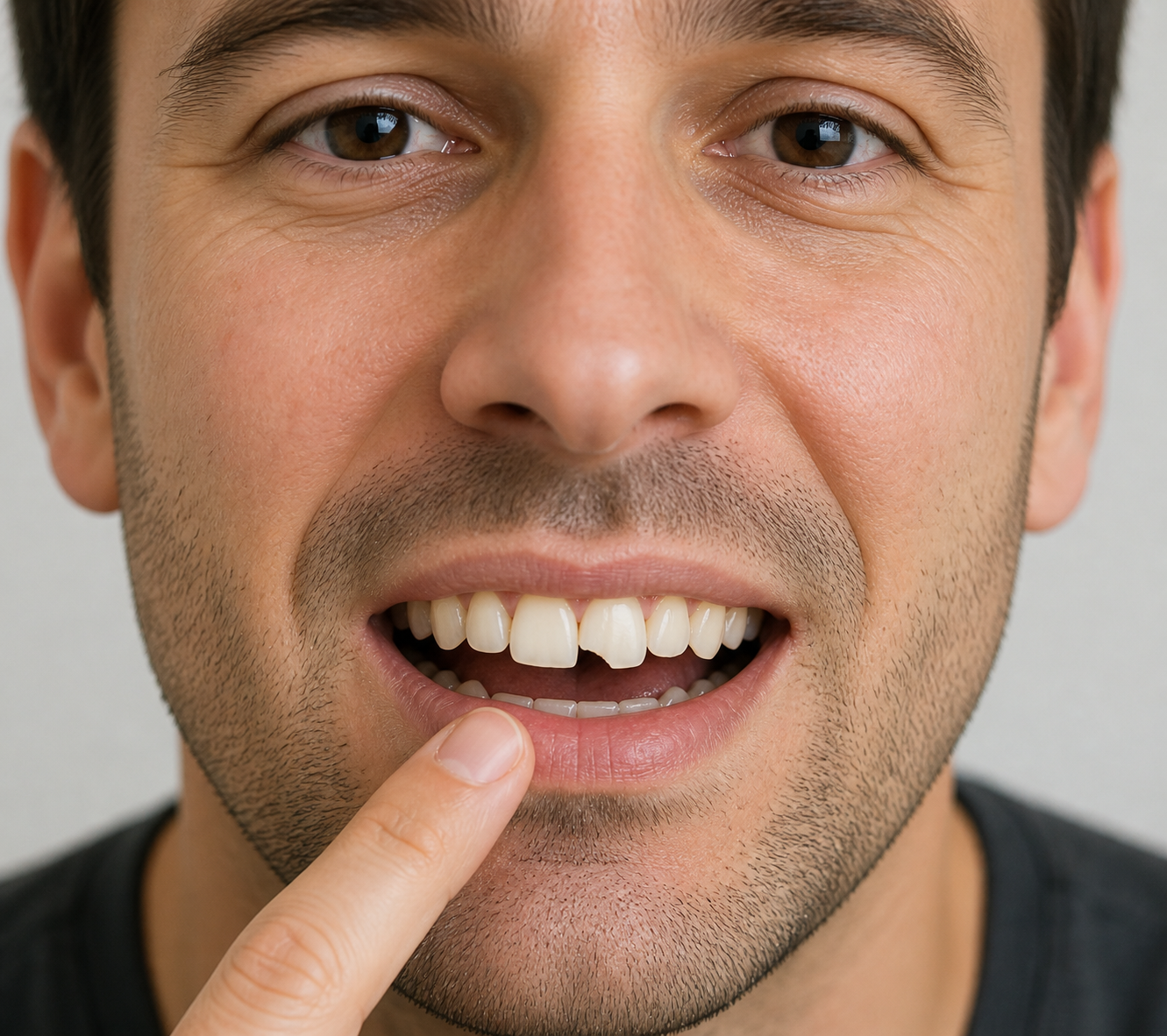
If you chip a tooth, the first step is to protect the area and have the damage evaluated. A visible chip, broken edge, sharp spot, or missing piece of tooth may be minor, but it can also expose deeper tooth structure or weaken the tooth.
This page focuses on what to do after a tooth chips or breaks at the edge. If the tooth is painful, sharp, swollen, or difficult to chew on, an emergency dentist in Whittier can help determine how urgent the problem is.
In our office, one of the most common things we see is patients waiting because the chip “doesn’t look that bad.” Even small chips can worsen quickly with normal chewing, and early evaluation often allows for much simpler treatment.
Call us today at (562) 698-8739 to schedule a chipped tooth evaluation.
A Chipped Tooth Should Still Be Checked
A chipped tooth is a common dental injury. Some chips are limited to the outer enamel, while others may involve a deeper cracked tooth or fracture pattern that is not obvious at first. Although a chipped tooth can feel alarming, the right treatment often restores both comfort and appearance.
Clinically, the size of the visible chip does not always reflect the extent of the damage. We often find deeper cracks or structural weakening that are not visible without proper examination and imaging.
People should remain calm so they can take the proper steps right away. Even when the chip looks small, the tooth may still need professional evaluation to determine whether the damage is limited to the enamel or extends deeper into the tooth.
“Even a small chip should be evaluated if it causes pain, sensitivity, or a sharp edge.”
What To Do About a Chipped Tooth
People with a chipped tooth should schedule a dental appointment, since professional treatment is the only way to fix it permanently. If the chipped tooth is causing sharp pain, sensitivity, bleeding, or swelling, it may require prompt evaluation by an emergency dentist. In more serious cases, delaying treatment can lead to infection or further damage.
After chipping a tooth, rinse your mouth with warm water to clean the area. If the tooth is painful, sharp, bleeding, swollen, or difficult to chew on, our Emergency Dentist page explains when prompt dental care may be needed.
After rinsing, apply gentle pressure if there is bleeding and use a cold compress on the outside of the face to help reduce swelling. Save any broken pieces of the tooth and wrap them in wet gauze if possible. Over-the-counter pain medication may help manage discomfort while waiting to be seen.
We typically advise patients to avoid chewing on the affected side until the tooth is evaluated. Continued use can cause the chip to spread into a larger fracture.
If you are unsure how serious your chipped tooth is, calling our office can help you understand whether it needs urgent care or a routine visit.
“Taking the right steps early can help protect the tooth and reduce the risk of further injury.”
Is a Chipped Tooth a Dental Emergency?
When a chipped tooth becomes painful, sharp, swollen, or difficult to chew on, we look more closely to see whether the damage extends beyond a small surface chip.
Not all chipped teeth are emergencies, but some situations should be treated urgently. If the chip is large, causes significant pain, exposes the inner part of the tooth, or happens after trauma, it may be considered a dental emergency.
In those situations, visiting an emergency dentist promptly can help preserve the tooth, prevent infection, and reduce the chance that the damage will worsen. If you are unsure whether your chipped tooth is urgent, it is safer to call and ask.
You may also find our page on Emergency Dentist vs. Emergency Room helpful if you are deciding where to go for treatment. If the tooth is not visibly chipped but hurts when biting or releasing pressure, visit our Cracked Tooth Symptoms page instead.
Chipped Tooth in a Child vs. Adult
Although chipped teeth are common in both adults and children, the concerns can differ. Chipped primary teeth are especially common in children, and treatment depends on the child’s age and the severity of the damage.
When a child chips a primary tooth, the main concern is protecting the underlying permanent tooth. In adults, the focus is often on preserving tooth structure, preventing sensitivity or infection, and restoring normal function and appearance. Regardless of age, prompt evaluation helps determine the best treatment.
In children, we are especially focused on protecting the developing permanent tooth. In adults, the concern is more about preventing the crack from spreading under bite forces.
“Regardless of age, prompt evaluation helps determine the best way to protect and restore the tooth.”
Want to learn more about our office? Check out Bailey Family Dental on Yelp: Bailey Family Dental reviews
Repairing a Chipped Tooth
There are various methods to repair a chipped tooth, depending on the condition of the tooth and the extent of the injury. In some cases, our dentist can reattach the broken piece. If the damage is minimal, cosmetic contouring may be enough to smooth a jagged edge. Other common options include dental bonding, veneers, or crowns to restore strength and appearance. For a deeper look at repair options, visit our Broken or Cracked Tooth Repair page.
Chips that extend below the surface of the tooth may require more extensive treatment. If the pulp is affected, patients may need a root canal treatment. If the damage is too severe to save the tooth, tooth extraction may be necessary. In urgent situations, these treatments are often performed by an emergency dentist to relieve pain and restore the tooth quickly.
If you have chipped a tooth, contact our office as soon as possible so we can evaluate the damage and recommend the most effective treatment.
In many cases, treating a chipped tooth early allows us to use more conservative options. Delayed treatment often leads to more complex procedures.
Our goal is always to preserve as much natural tooth structure as possible whenever we can.
“The right repair depends on how deep the chip is and whether the inner tooth is involved.”
Maintaining a Treated Chipped Tooth
After treatment for a chipped tooth, patients should maintain a regular oral care routine. This includes brushing twice a day, flossing daily, and following any after-care instructions provided to protect the repaired tooth.
Other maintenance tips include avoiding chewing on hard foods, not using the teeth to open objects, and attending follow-up visits as recommended. Regular dental checkups also help make sure the repair stays intact and that the tooth remains healthy over time.
We often talk with patients about what caused the chip in the first place. Habits like grinding, chewing ice, or biting hard foods can make future chips more likely, so correcting those habits is an important part of protecting the tooth long-term.
“After treatment, protecting the repaired tooth helps reduce the risk of another chip or fracture.”
Questions Answered on This Page
Q. How common is a chipped tooth?
Q. What steps should happen after chipping a tooth?
Q. Is a chipped tooth a dental emergency?
Q. How is a child's chipped tooth different from an adult's?
Q. What methods are available to repair a chipped tooth?
Q. How should a treated chipped tooth be maintained?
People Also Ask
Q. When should I seek emergency dental care?
Q. When should I go straight to the emergency room?
Q. What are cracked tooth symptoms?
Q. What is it like to go through the process of receiving a dental crown?
Frequently Asked Questions
Q. How is a chipped tooth diagnosed?
A. Our dentist can diagnose a chipped tooth by visually inspecting the tooth and asking about symptoms and how the injury occurred. Sometimes X-rays or additional testing are needed to determine how deep the damage extends.
Q. How long does it take to repair a chipped tooth?
A. The time required depends on the severity of the chip and the treatment needed. Minor chips may be repaired in one visit, while larger injuries may require more extensive care.
Q. Who is a good candidate for cosmetic contouring?
A. Cosmetic contouring is often best for people with very small chips or rough edges. The enamel must be thick enough to allow minor reshaping safely.
Q. What are the risk factors associated with a chipped tooth?
A. Weakened teeth are more likely to chip than strong and healthy teeth. Tooth decay, grinding, acid erosion, and previous restorations can all increase the risk of a chip or fracture.
Q. Can a chipped tooth require a crown or root canal?
A. Yes. If the chip is large or extends into deeper layers of the tooth, treatment may involve a crown or root canal instead of a simple bonding repair.
Reviewed by Brian Choi, DMD
General Dentist at Bailey Family Dental in Whittier, CA
Reviewed: May 2026
Chipped a Tooth in Whittier?
A chipped tooth may be minor, but it can also expose deeper tooth structure or weaken the tooth. Early evaluation can help determine whether the tooth needs smoothing, bonding, a crown, root canal treatment, or more urgent care.
Call Bailey Family Dental in Whittier at 562-698-8739 to schedule a chipped tooth evaluation.