Wisdom Teeth Extraction Whittier, CA
Wisdom teeth extraction is done when third molars are causing pain, swelling, infection, crowding, or are unlikely to erupt in a healthy position. Some wisdom teeth can stay in place without causing problems, but many need close monitoring because issues often start in late teens or young adulthood.
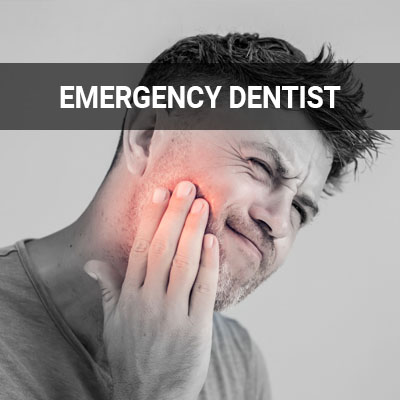
At Bailey Family Dental in Whittier, we evaluate whether wisdom teeth should be monitored or removed and whether the situation is routine or urgent. If you have swelling, pain near the back teeth, difficulty opening, or signs of infection, visit our Emergency Dentist page or call us today at (562) 698-8739.
When Wisdom Teeth Become a Problem
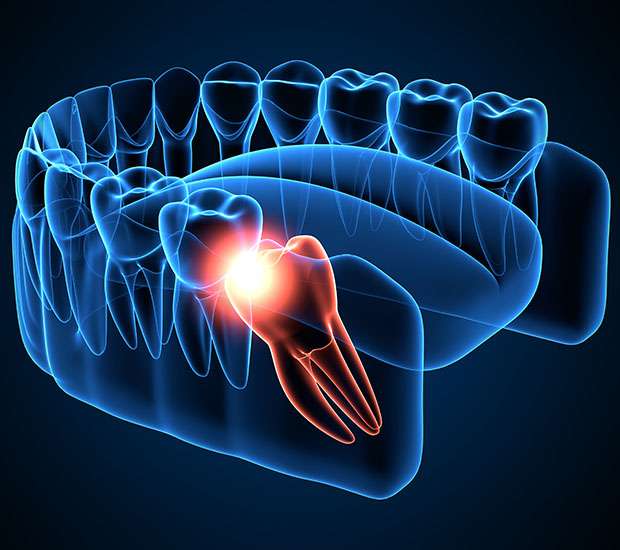
Wisdom teeth are the third set of molars at the back of the mouth. They usually develop later than the other adult teeth. Some erupt normally and never need removal. Others come in at a poor angle, stay trapped under the gums, or do not have enough space to come in properly.
One of the most common things I see is patients assuming wisdom teeth only need to be removed when the pain becomes severe. In real life, problems often start earlier than that. Food trapping, gum irritation, repeated swelling, pressure on the nearby tooth, and hard-to-clean areas can all be signs that wisdom teeth are becoming unhealthy before the pain becomes obvious.
I also see many patients who are surprised that wisdom teeth can create trouble even when they are only partly erupted. A partially erupted wisdom tooth can trap bacteria and inflame the gum tissue around it. That is one reason recurrent soreness around the back of the mouth should not be ignored.
When the area becomes painful or swollen, the problem can feel like it appeared suddenly. In many cases, however, the situation has been developing for a while. Early evaluation often gives patients more treatment options and a smoother recovery path.
“Problems often start before the pain becomes obvious.”
Signs Wisdom Teeth May Need Removal
Wisdom teeth may need removal when they are impacted, partly erupted, infected, repeatedly inflamed, damaging the neighboring tooth, or difficult to keep clean. Common warning signs include:
- Pain or pressure in the back of the mouth
- Swelling of the gum tissue near the wisdom tooth
- Difficulty cleaning the area
- Bad taste or odor from the back of the mouth
- Jaw soreness or trouble opening fully
- Repeated flare-ups of gum irritation
- Signs of infection around a partially erupted tooth
One thing patients often underestimate is repeated mild swelling around a wisdom tooth. A flare-up that gets better does not always mean the issue is gone. It often means the area has calmed down temporarily, while the underlying problem is still there.
When wisdom teeth are causing pain, swelling, or infection, the situation may overlap with urgent care. If you are dealing with a flare-up that feels severe or rapidly worsening, our Emergency Dentist page can help explain when prompt treatment is appropriate.
“A flare-up that gets better does not always mean the issue is gone.”
Preparing for Wisdom Teeth Extraction
The first step is a consultation and exam. We review symptoms, look at the position of the wisdom teeth, and discuss your health history, medications, and any factors that could affect healing. This is also the right time to ask questions about the procedure, recovery, and what to expect afterward.
Many patients are more anxious about wisdom teeth extraction than the procedure ends up warranting. One of the most helpful things in my experience is giving people a realistic picture of what to expect. Clear expectations usually reduce fear more than vague reassurance does.
Preparation also matters because not every wisdom tooth case is the same. Some are more routine. Some are more complex because of position, impaction, or infection. That is why the consultation is important. It helps us decide the best timing and the best treatment plan for that specific case.
“Clear expectations usually reduce fear more than vague reassurance does.”
Check out what others are saying about our dental services on Yelp: Wisdom Teeth Extraction in Whittier, CA
What the Procedure Is Like
Wisdom teeth extraction usually begins with numbing the area. If the tooth is impacted or not fully visible, the gum tissue may need to be opened to reach the tooth. In some cases, the tooth is removed in sections so it can be taken out more safely and with less stress on the surrounding tissues.
After the tooth is removed, the site is cleaned and protected while healing begins. Some cases need stitches and some do not. Gauze is placed to help control bleeding and support blood clot formation.
One of the biggest patient concerns is whether the procedure itself will be terrible. In practice, many people find that the anticipation is worse than the actual appointment. The more important part is following the aftercare instructions well, because good healing depends heavily on what happens after the extraction.
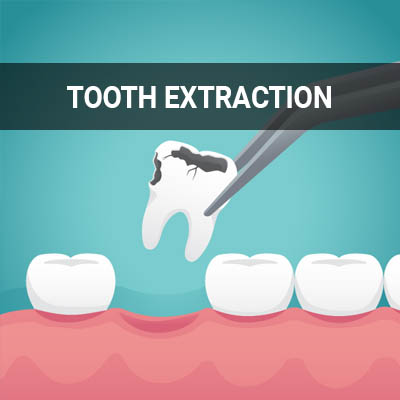
If the issue is not just wisdom teeth but a more general extraction question, our Tooth Extraction page explains more about extraction treatment planning.
“Many people find that the anticipation is worse than the actual appointment.”
Questions Answered on This Page
Q. When do wisdom teeth become a problem?
Q. What signs suggest wisdom teeth may need removal?
Q. How do I prepare for wisdom teeth extraction?
Q. What is the procedure like?
Q. What is recovery like after wisdom teeth extraction?
People Also Ask
Q. What happens during a tooth extraction procedure?
Q. When is wisdom tooth pain urgent?
Q. Why are X-rays taken before treatment?
Q. How can I check whether dental insurance covers wisdom teeth extraction?
Recovery and Aftercare
After wisdom teeth extraction, most patients should plan to rest for the remainder of the day. Regular light activity may return fairly quickly, but strenuous activity should be avoided while the area is stabilizing and healing. The exact instructions depend on the complexity of the extraction and your healing progress.
Good aftercare matters because it lowers the chance of complications such as dry socket, bleeding problems, and delayed healing. We give patients specific instructions for cleaning, eating, activity, and what to avoid while the blood clot forms and the tissue begins to recover.
One of the biggest recovery mistakes I see is patients feeling better early and assuming they can return to everything immediately. Feeling better and being fully healed are not the same thing. The site still needs protection during the early healing period.
Contact us right away if you experience:
- Difficulty swallowing or breathing
- Excessive bleeding that does not slow down
- Fever
- Severe pain that does not improve
- Worsening swelling after the first few days
- Bad taste, pus, or signs of infection
- Persistent numbness or loss of feeling
“Feeling better and being fully healed are not the same thing.”
Frequently Asked Questions
Q. Do all wisdom teeth need to be removed?
A. No. Some wisdom teeth erupt in a healthy position and can be monitored. Removal is usually recommended when they are impacted, repeatedly inflamed, hard to clean, damaging nearby teeth, or likely to cause future problems.
Q. Will I be able to drive myself home after wisdom teeth extraction?
A. That depends on the type of anesthesia or sedation used and how you feel afterward. If stronger sedation is involved, you should plan on having someone drive you home.
Q. How much pain should I expect after wisdom teeth extraction?
A. Some soreness, swelling, and discomfort are normal after the procedure. The amount varies by case, but most patients do well when they follow the aftercare plan closely.
Q. What can I eat after wisdom teeth extraction?
A. Patients usually do best with soft foods and good hydration at the start. Avoid hard foods, very hot foods, and anything that could disturb the healing site. Avoid straws during early healing.
Q. What should I avoid during recovery?
A. Avoid smoking, straws, forceful spitting, and strenuous activity during the early healing period. Those habits can disrupt the blood clot and slow healing.
Q. When should I call after wisdom teeth extraction?
A. Call if you have excessive bleeding, worsening swelling, fever, severe pain that is not improving, bad taste or pus, trouble swallowing, trouble breathing, or any other symptom that feels abnormal for recovery.
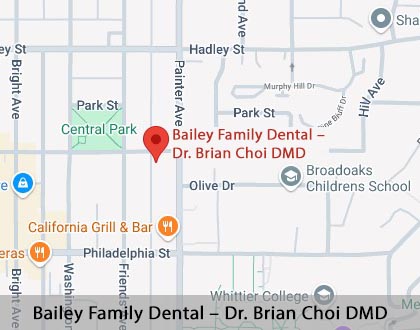

Scan here to view this page, Wisdom Teeth Extraction, on mobile

Dental Terminology
Find Out If Your Wisdom Teeth Should Be Removed
If your wisdom teeth are causing pain, swelling, repeated gum irritation, or pressure, it is better to get them evaluated before the problem worsens. Our team can help determine whether they should be monitored or removed. Call us today at 562-698-8739 to schedule an appointment.
Helpful Related Links
- American Dental Association. ADA Home Page
- MouthHealthy. Wisdom Teeth
- MedlinePlus. Patient Health Information
About our business, license, and website security
- Bailey Family Dental – Brian Choi, DMD – Whittier, CA was established in 2020.
- We accept the following payment methods: American Express, Cash, Check, Discover, MasterCard, and Visa.
- We serve patients from Los Angeles County and Orange County.
- We serve patients from Whittier, La Mirada, Santa Fe Springs, La Habra, Hacienda Heights, Pico Rivera, Downey, Buena Park, Rowland Heights and City of Industry.
- CA (License #61926). View License Information and Specifics
- National Provider Identifier Database (1811276025). View NPI Registry Information
- Healthgrades. View Background Information and Reviews
- Norton Safe Web. View Details
- Trend Micro Site Safety Center. View Details

Scan here to open directions to Bailey Family Dental on mobile
Back to top of Wisdom Teeth Extraction
Related Posts

Recovery Time After Wisdom Tooth Extraction
A wisdom teeth extraction is a procedure done to remove the last set of molars to emerge in the mouth. The pain, discomfort and swelling that patients experience after the procedure is part of the healing and recovery process. One question many patients ask is how long recovery takes, and this article answers that question…

Why A Toothache Can Worsen At Night
A toothache that feels worse at night can be frustrating and stressful. In some cases, the tooth may not actually be changing overnight, but the pain can feel stronger because of body position, fewer distractions, or irritation from food, grinding, or inflammation.Tooth pain that gets worse at night is different from pain triggered by sweets,…

Do I Really Need A Dental Crown?
You need a dental crown when a tooth is too weak or too damaged for a filling to hold and protect it — most often after a large cavity, a crack, a broken cusp, or a root canal. If enough healthy tooth structure remains, a filling is usually the better and more conservative choice, and…

Why Does My Tooth Hurt After A Filling?
It is common to have some tooth sensitivity or soreness after a filling. Mild sensitivity to cold, heat, or pressure for a few days to a couple of weeks is normal as the tooth settles, especially with a deeper filling. The pain should steadily fade. Pain that gets worse, throbs, or lasts beyond two to…
Explore additional topics covered on our website:
Call Us Today

Scan here to call Bailey Family Dental on mobile