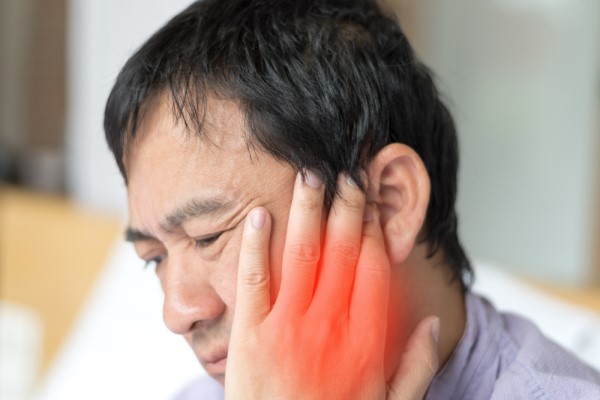
A toothache that feels worse at night can be frustrating and stressful. In some cases, the tooth may not actually be changing overnight, but the pain can feel stronger because of body position, fewer distractions, or irritation from food, grinding, or inflammation.
Tooth pain that gets worse at night is different from pain triggered by sweets, cold drinks, or biting pressure. If you are unsure what pattern fits your symptoms, our tooth pain page can help you compare common causes.
Why Tooth Pain Can Feel Worse at Night
Several factors can make a toothache feel stronger at night. The cause may be related to the tooth itself, your bite, your sleep position, or what happened earlier in the day.
- Lying down can increase pressure: When you lie down, blood flow and pressure around the head and face can change. If a tooth or surrounding tissue is already inflamed, that pressure may make the discomfort feel stronger.
- There are fewer distractions: During the day, work, conversation, and activity can distract you from mild discomfort. At night, when everything is quiet, the same pain may feel more intense because your attention is focused on it.
- Late-night eating can irritate teeth: Eating before bed without brushing afterward can leave food and sugar around the teeth. This can irritate sensitive areas, especially if there is decay, exposed tooth structure, or food getting trapped between teeth. If you notice discomfort specifically when eating sweets, read our Tooth Pain When Eating Sweets page. If food is frequently getting stuck in one area, read our related blog on food stuck between teeth.
- Nighttime grinding can make tooth pain worse: Some patients grind or clench their teeth while sleeping. This can place extra pressure on the teeth, gums, jaw muscles, and bite, which may make tooth pain worse by morning. If you suspect grinding is part of the problem, read our blog on teeth grinding.
What You Can Do for Temporary Relief
Home care may help you get through the night, but it does not treat the cause of the toothache. Temporary steps may include brushing and flossing carefully, rinsing with warm salt water, avoiding sugary or acidic foods, using over-the-counter pain medication as directed, applying a cold compress, and sleeping with the head slightly elevated.
These steps are only meant to reduce discomfort temporarily until you can have the tooth evaluated.
When Nighttime Tooth Pain May Be Urgent
If the pain is severe, worsening, associated with swelling, or making it difficult to sleep or function, it should not be ignored. These symptoms may require prompt care from an emergency dentist.
Personal insight: Patients often wait when nighttime pain comes and goes. In our experience, recurring nighttime tooth pain is worth evaluating because it can be a sign of inflammation, infection, grinding-related trauma, or a deeper dental problem.
How a Dentist Can Help
A general dentist can examine the tooth, check the bite, take X-rays if needed, and determine whether the pain is related to decay, infection, grinding, gum inflammation, or another cause.
In some cases, imaging such as dental X-rays may be used to identify problems that are not visible during a standard exam.
If the tooth pain is connected to a deeper nerve problem, root canal treatment may be needed to relieve pain and save the tooth. If the pain is related to biting pressure, chewing, or a possible crack, our Cracked Tooth page explains related warning signs.
Toothache keeping you up at night?
Nighttime tooth pain can be a sign of inflammation, infection, grinding, or another dental issue. At Bailey Family Dental in Whittier, we can evaluate the cause and explain your treatment options clearly.
We’re currently accepting new patients.
Schedule an Appointment
Related Posts
You need a dental crown when a tooth is too weak or too damaged for a filling to hold and protect it — most often after a large cavity, a crack, a broken cusp, or a root canal. If enough healthy tooth structure remains, a filling is usually the better and more conservative choice, and…
It is common to have some tooth sensitivity or soreness after a filling. Mild sensitivity to cold, heat, or pressure for a few days to a couple of weeks is normal as the tooth settles, especially with a deeper filling. The pain should steadily fade. Pain that gets worse, throbs, or lasts beyond two to…
In most cases you can eat after a filling as soon as the numbness wears off, usually within one to three hours. Tooth-colored composite fillings harden fully under the curing light before you leave the chair, so the filling itself is ready right away — the main reason to wait is simply to avoid biting…