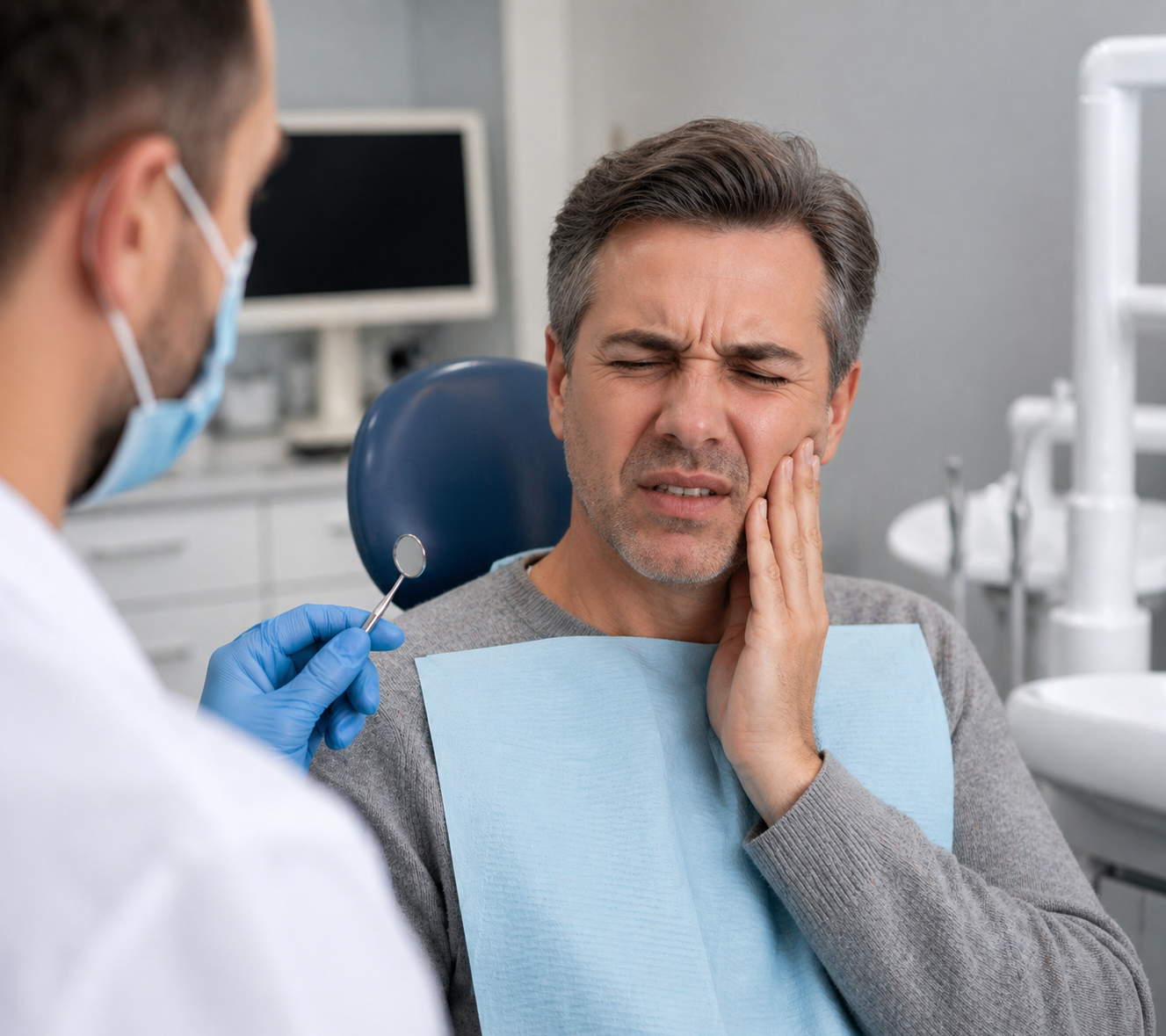
Cracked Tooth Treatment in Whittier, CA
Cracked tooth pain when biting, chewing, or releasing pressure should not be ignored. At Bailey Family Dental in Whittier, CA, we evaluate cracked tooth symptoms, explain treatment options, and help patients understand whether the tooth may need monitoring, repair, or urgent care.
At Bailey Family Dental in Whittier, we evaluate cracked teeth by looking at your symptoms, bite patterns, and the condition of the tooth. This page is designed to help you understand different cracked tooth symptoms and find the most relevant next step, whether that means monitoring, repair, or prompt care from an emergency dentist.
Common Signs of a Cracked Tooth
Cracked teeth do not always cause constant pain. Instead, symptoms often appear only under certain conditions, such as biting, releasing pressure, or chewing specific foods.
If you are trying to recognize the warning signs, visit our Cracked Tooth Symptoms page for a more focused explanation.
Personal insight: In many cases, patients describe very specific triggers for discomfort, such as pain when biting, releasing pressure, or chewing certain foods. Those patterns often help identify cracks even when they are not visible.
Find the symptom that matches yours:
- Pain when biting down: Pain when biting can occur when pressure is placed on a cracked tooth. This is one of the most common signs and should be evaluated early. Learn more on our Tooth Pain When Biting Down page. This type of symptom is also discussed on our Tooth Pain page, where different pain patterns are explained more broadly.
- Pain when releasing pressure: Some cracks cause discomfort when you release pressure rather than when biting down. This pattern can be very specific and is often associated with structural issues. Learn more in our Why Does My Tooth Hurt When I Release Pressure blog.
- Intermittent or inconsistent pain: Cracked teeth may cause pain that comes and goes depending on how the tooth is used. This can make the problem harder to identify without evaluation. Learn more on our Dull or Intermittent Tooth Pain page. If you are unsure whether a crack may be present, read our How to Tell If a Tooth Is Cracked blog.
- Pain when chewing: Some patients notice discomfort only when chewing certain foods or at specific angles. This can indicate uneven pressure on a damaged area. Learn more in our Tooth Pain When Chewing Sometimes blog.
“Cracked teeth often show up through patterns of pain rather than constant symptoms.”
Types of Cracked Teeth
Not all cracks are the same. Some are minor surface fractures, while others extend deeper into the tooth and affect long-term treatment decisions.
Learn more about different types of cracks on our Types of Dental Root Fractures page.
What Causes a Cracked Tooth
Cracks can develop from biting forces, grinding, trauma, or weakened tooth structure. Even normal chewing over time can contribute if the tooth is already compromised.
Understanding the cause helps determine the best way to protect the tooth moving forward.
Treatment Options for a Cracked Tooth
Treatment depends on the extent of the crack. Some teeth can be protected with a crown, while others may require root canal treatment or, in severe cases, extraction.
Personal insight: In our office, the most important question is not just whether a crack exists. We also look at whether the tooth is stable enough to protect, whether symptoms suggest nerve involvement, and whether the crack may continue spreading under normal chewing forces.
For a broader overview of repair options, visit our Broken or Cracked Tooth Repair page.
If you are wondering whether a more damaged cracked tooth can still be saved, learn more on our Can a Cracked Tooth Be Saved with a Root Canal and Crown page.
When to See a Dentist
If you suspect a cracked tooth, it is best to have it evaluated before symptoms worsen. Pain that occurs with pressure, release, or chewing should not be ignored.
Start with a general dentist evaluation. If the situation feels urgent, visit our Emergency Dentist page for guidance or read our Is a Cracked Tooth an Emergency? blog.
See our Google reviews: Read what patients are saying about Bailey Family Dental
Related Cracked Tooth Resources
Cracked tooth problems can show up in different ways. Use the links below to find the page that best matches your symptom, question, or next step:
- Cracked Tooth Symptoms
- How to Tell If a Tooth Is Cracked
- Can a Cracked Tooth Heal on Its Own?
- Is a Cracked Tooth an Emergency?
- Broken or Cracked Tooth Repair
- Can a Cracked Tooth Be Saved with a Root Canal and Crown
- Types of Dental Root Fractures
- Tooth Pain When Biting Down
- Why Does My Tooth Hurt When I Release Pressure?
- Dull or Intermittent Tooth Pain
- Tooth Pain When Chewing Sometimes
- Emergency Dentist
- General Dentist
- What Should I Do If I Chip My Tooth?
- What To Do If You Lose a Filling or Crown
Questions Answered on This Page
Q. What are common signs of a cracked tooth?
Q. Which cracked tooth symptom matches mine?
Q. What are the different types of cracked teeth?
Q. What causes a cracked tooth?
Q. What are treatment options for a cracked tooth?
Q. When should I see a dentist for a cracked tooth?
People Also Ask
Q. How do I know if my tooth is cracked?
Q. Can a cracked tooth heal on its own?
Q. Is a cracked tooth a dental emergency?
Q. Can a cracked tooth be saved?
Frequently Asked Questions
Q. What are common signs of a cracked tooth?
A. Common signs can include pain when biting, pain when releasing pressure, intermittent discomfort, sensitivity, or pain that happens only when chewing certain foods.
Q. Can a cracked tooth cause pain when biting?
A. Yes. Pain when biting down can happen when pressure separates or stresses a cracked area of the tooth. This symptom should be evaluated before the crack worsens.
Q. Can a cracked tooth be saved?
A. Sometimes. Whether a cracked tooth can be saved depends on the crack location, depth, symptoms, nerve involvement, and how much healthy tooth structure remains.
Q. Is a cracked tooth an emergency?
A. A cracked tooth may be urgent if there is severe pain, swelling, trauma, trouble chewing, or a visibly broken tooth. If symptoms are worsening, call the office for guidance.
Q. What happens if I ignore a cracked tooth?
A. A cracked tooth can worsen under normal chewing forces. Delaying care may lead to more pain, nerve involvement, infection, or a tooth that becomes harder to save.
Reviewed by Brian Choi, DMD
General Dentist at Bailey Family Dental in Whittier, CA
Reviewed: June 2026
A Cracked Tooth Should Not Be Ignored
Cracked teeth can worsen over time and may lead to more serious problems if they are not evaluated. Early diagnosis can help protect the tooth and make treatment more predictable.
Call Bailey Family Dental in Whittier at 562-698-8739 to schedule a cracked tooth evaluation.
Whittier, CA
We’ll follow up soon
Text us for a quick reply