I Think My Gums Are Receding Whittier, CA
If your teeth look longer than they used to, or you are noticing sensitivity near the gumline, your gums may be receding. Gum recession happens when the gum tissue pulls away from the tooth and exposes the root surface.
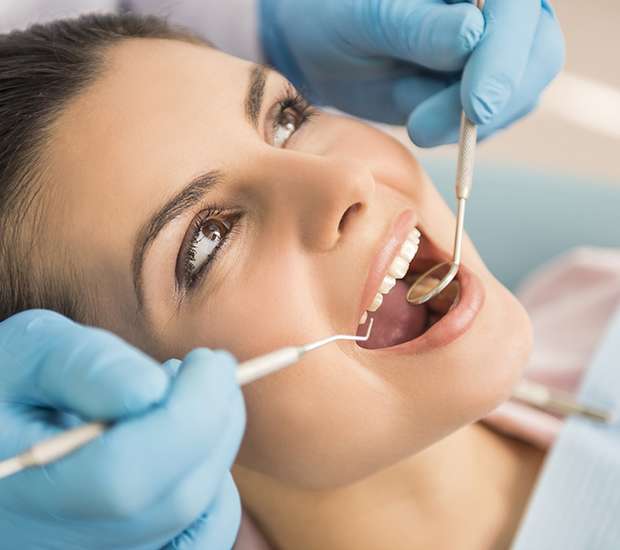
At Bailey Family Dental in Whittier, we evaluate gum recession by looking at the gumline, exposed roots, brushing habits, bite forces, gum health, and signs of gum disease that may need treatment.
Personal insight: Many patients think gum recession is just normal aging. In reality, it is usually tied to a specific cause, such as brushing pressure, bite forces, thin gum tissue, or gum disease.
Call Bailey Family Dental in Whittier at (562) 698-8739 to schedule a gum evaluation.
Signs of Gum Recession
Gum recession often develops slowly over time. Because of this gradual progression, many patients do not notice it until the symptoms become more obvious.
In the early stages, gum recession may present as mild sensitivity or subtle changes in the appearance of the gums. As it progresses, the signs become more noticeable and more concerning.
- Teeth appearing longer than before
- Visible root exposure near the gumline
- Sensitivity to cold, heat, or brushing
- Bleeding when brushing or flossing
- Red or inflamed gum tissue
- Persistent bad breath
- Loose teeth in more advanced cases
While cosmetic changes are often what patients notice first, gum recession typically reflects deeper changes in the supporting structures of the teeth.
Personal insight: In my experience, most patients wait until they feel sensitivity before seeking care. By that point, the recession has usually been progressing for quite some time. When we catch it earlier, treatment is often much simpler and more predictable.
If you are noticing these symptoms, it is worth evaluating the area early. In many cases, sensitivity is directly related to exposed roots and changes in the gumline.
“The visible changes of gum recession are often the first sign—but not the most important one.”
Why Are My Gums Receding?
Gum recession rarely develops from a single cause. In most cases, it occurs gradually over time due to a combination of mechanical stress, inflammation, and individual biological factors.
Understanding the underlying cause is critical. Treating the visible recession without addressing what caused it will often lead to continued progression.
Common causes of gum recession include:
- Aggressive brushing technique, especially with excessive pressure
- Gum disease (periodontal disease) that damages supporting tissue
- Teeth grinding or clenching (often unnoticed by patients)
- Misaligned teeth or uneven bite forces
- Poor oral hygiene in certain areas
- Tobacco use, which affects gum health and healing
- Genetics, including naturally thin or delicate gum tissue
- Hormonal changes that can affect gum stability
Some patients notice that recession is isolated to one specific tooth or one side of the mouth. This often indicates a localized cause such as brushing habits or bite stress.
Personal insight: A pattern I frequently see is recession on the side patients brush more aggressively with their dominant hand. They are not brushing too often—they are applying too much pressure in certain areas over time.
Another major contributor is grinding. Many patients are unaware they grind their teeth, but the forces involved can gradually weaken the gum support around specific teeth.
A comprehensive evaluation helps identify these contributing factors so treatment addresses the root cause rather than just the visible recession.
Treatment Options for Receding Gums
The appropriate treatment for gum recession depends on how advanced the condition is and what is causing it. In many cases, the goal is to stop progression and protect the tooth rather than fully reverse the recession.
Treatment options may include:
- Adjusting brushing technique to reduce trauma to the gums
- Professional cleanings and treatment for gum disease to control plaque and inflammation
- Desensitizing agents to reduce sensitivity from exposed roots
- Night guards to reduce grinding and clenching forces
- Orthodontic treatment to correct alignment and bite issues
- Composite bonding to cover exposed root surfaces
- Gum grafting procedures for more advanced cases
For patients experiencing sensitivity, addressing exposed root surfaces early can significantly improve comfort and make it easier to maintain proper oral hygiene.
Personal insight: Many patients assume that gum grafting is always necessary. In reality, a large percentage of cases can be stabilized without surgery when the condition is identified early and the underlying cause is addressed.
In more advanced cases, surgical procedures such as gum grafting may be recommended to restore lost tissue and protect the tooth from further damage.
The right plan depends on the cause, severity, sensitivity level, and whether the recession is still progressing.
How to Prevent Gum Recession
Preventing gum recession focuses on protecting the gum tissue and minimizing long-term stress on the teeth. Small daily habits can have a significant impact over time.
Recommended preventive steps include:
- Using a soft-bristled toothbrush
- Avoiding excessive brushing pressure
- Flossing daily to remove plaque between teeth
- Maintaining regular dental checkups and cleanings
- Addressing grinding or clenching early with a night guard if needed
- Avoiding tobacco products
- Maintaining a balanced, nutrient-rich diet
Routine exams allow subtle gumline changes to be detected before they become more serious problems.
Personal insight: One of the most effective changes I recommend is reducing brushing pressure. Many patients believe brushing harder cleans better, but it often leads to long-term gum damage and recession.
Preventive care is often the difference between minor gum changes and more complex treatment later.
Who Is at Higher Risk for Gum Recession?
While gum recession can affect anyone, certain factors increase the likelihood of developing it over time. Understanding these risk factors allows patients to take preventive steps earlier and monitor changes more closely.
- Age-related changes in gum tissue
- Smoking or tobacco use
- Genetically thin or fragile gum tissue
- History of gum disease (periodontal disease)
- Teeth grinding or clenching
- Misaligned teeth or uneven bite forces
- Medical conditions such as diabetes
Patients with one or more of these risk factors should be especially proactive about monitoring their gum health and maintaining regular dental visits.
Personal insight: I frequently see patients with excellent oral hygiene still develop gum recession due to genetic factors. This highlights the importance of regular evaluations rather than relying solely on at-home care.
Patients with higher risk factors benefit from regular monitoring so small changes can be addressed before recession progresses.
See our Google reviews: Read what patients are saying about Bailey Family Dental
Questions Answered on This Page
Q. What are the signs of gum recession?
Q. What can I do about receding gums?
Q. How can I prevent gum recession?
Q. Who is at risk for gum recession?
People Also Ask
Q. Can receding gums be a sign of gum disease?
Q. Can bleeding gums happen with gum recession?
Frequently Asked Questions About Gum Recession
Q. Can gum recession grow back naturally?
Gum tissue does not typically regenerate on its own. However, progression can be stopped, and in some cases, procedures such as gum grafting can restore lost tissue and protect the tooth.
Q. How fast does gum recession progress?
Gum recession usually progresses slowly over time. However, aggressive brushing, untreated gum disease, or grinding can accelerate the process.
Q. Does gum recession always mean I have gum disease?
No. While gum disease is a common cause, recession can also occur due to mechanical factors such as brushing technique or bite forces. A proper evaluation helps determine the cause.
Q. Can sensitive teeth be caused by gum recession?
Yes. Sensitivity is one of the most common symptoms of gum recession because the root surface becomes exposed.
Q. Is gum recession permanent?
In most cases, the lost gum tissue does not grow back naturally. However, treatment can stop further recession and protect the affected teeth.
Q. When is gum grafting necessary?
Gum grafting is typically recommended when recession is advanced, causing significant root exposure, sensitivity, or risk to the tooth’s stability.
Q. Can brushing too hard cause gum recession?
Yes. Aggressive brushing is one of the most common causes of gum recession. Using a soft-bristled toothbrush and proper technique can help prevent this.
Q. Should I see a dentist right away if I notice recession?
Yes. Early evaluation allows for simpler treatment and helps prevent further progression of gum recession.
Q. Can receding gums cause tooth loss?
Yes. If gum recession progresses and affects the supporting bone, it can eventually lead to tooth instability and tooth loss if left untreated.
Q. Is gum recession reversible without surgery?
In most cases, gum recession cannot fully reverse on its own, but early treatment can stop progression and prevent the need for surgical procedures.
Reviewed by Brian Choi, DMD
General Dentist at Bailey Family Dental in Whittier, CA
Updated: June 2026
Concerned About Receding Gums?
Gum recession can expose sensitive root surfaces and may point to brushing trauma, bite forces, or gum disease. Bailey Family Dental in Whittier can evaluate the cause and recommend the right next step.
Call Bailey Family Dental in Whittier at 562-698-8739 to schedule a gum evaluation.