
Can a Cracked Tooth be Saved with a Root Canal and Crown Whittier, CA
A cracked tooth can sometimes be saved with a root canal and crown—but only if the crack has not extended too far into the root.
In general, a root canal removes inflamed or infected nerve tissue, and a crown helps protect the remaining tooth structure from further damage. This approach works well for many cracked teeth, but not all.
If the crack extends deep below the gum line or splits the tooth, the tooth may no longer be predictable to save and may require extraction instead.
In our office, this is one of the most common decisions we help patients make. The outcome depends largely on how deep and how extensive the crack is.
Symptoms of a Cracked Tooth
Cracked teeth can present in different ways, but the exact type matters less than how deep the crack extends. In many cases, patients notice symptoms like pain when biting, sensitivity, or discomfort that comes and goes.
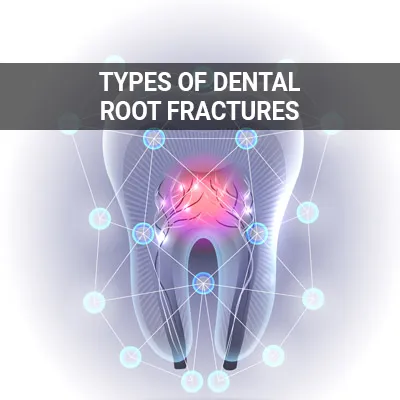
Split teeth have cracks extending from the surface to below the gum line and can typically be separated into at least two segments. Such teeth generally cannot be saved as a whole. Teeth with vertical root fractures have cracks that begin from below the gum line and extend upwards. With all types of cracked teeth, patients may experience pain when biting, tooth sensitivity, swelling of the gum around the affected tooth, and intermittent pain. Learn more about these warning signs on our Cracked Tooth Symptoms page.
“With all types of cracked teeth, patients may experience pain when chewing or biting, tooth sensitivity, swelling of the gum around the affected tooth, and intermittent pain.”
Subtle or Hard-to-Detect Tooth Cracks
Some cracks in teeth are not visible on X-rays and can be difficult to locate, especially if they extend below the gum line. These types of cracks often cause symptoms like pain when biting or sensitivity that comes and goes, rather than constant discomfort.
Certain factors can increase the risk of developing these types of cracks, including teeth grinding or clenching, large existing fillings, uneven bite forces, or previous dental treatment. Because these cracks can be difficult to diagnose, patients may experience symptoms for some time before the exact source is identified.
“…some tooth cracks are among the most challenging dental problems to diagnose, and symptoms can persist for months before the cause is identified.”
Cracked Teeth & Root Canals
The best treatment for a cracked tooth depends on how deep the crack extends and how much of the tooth structure is still intact. Minor cracks may only require monitoring or a crown, while deeper cracks may require root canal treatment or, in some cases, extraction.
During a root canal procedure, the endodontist removes any infected or inflamed pulp. They then clean and shape the inside of the root canal before filling it. Afterward, a crown is placed on the tooth's cap to protect and fully restore its functionality. Once restored, the treated tooth will continue to function as any other natural tooth.
In practice, the key question is not only whether a root canal can be completed, but whether the cracked tooth is still restorable. If the crack is mostly limited to the crown portion of the tooth, a root canal and crown may work well. If the crack extends deep into the root, even a technically successful root canal may not make the tooth predictable long term.
“… the best treatment method for a cracked tooth is dependent on its location and the extent of its damage.”
Check out what others are saying about our dental services on Yelp.
When a Cracked Tooth Is Beyond Repair
Cracked teeth that are not treated in time may eventually cause pulp necrosis, a condition in which the tissue inside the teeth dies. This can lead to a cascade of complications affecting both oral and overall health, including complete tooth loss. Teeth may be totally beyond repair if the crack extends below the gum line. At that point, tooth extraction will become the only viable option.
Though today's tooth replacement options are better than ever, it is still best to save a natural tooth whenever possible. Accordingly, patients should have it evaluated as soon as they suspect they may have a cracked tooth. Early detection is critical for proper and effective treatment, and endodontic surgery may be adequate for more severe cases. Bailey Family Dental - Brian Choi, DMD - Whittier, CA can help determine what is best for each patient on a case-by-case basis.
“Early detection is critical for proper and effective treatment, and endodontic surgery may be adequate for more severe cases.”
Questions Answered on This Page
Q. Am I at risk for a cracked tooth?
Q. How can a root canal help save my cracked tooth?
Q. What if a crown or root canal cannot save my cracked tooth?
Q. How can I make sure my repaired cracked tooth stays saved?
People Also Ask
Q. Is increased sensitivity to temperature a sign that endodontic surgery is necessary?
Q. Do I need a root canal procedure?
Q. What is the difference between endodontists and dentists?
Q. What are the restoration dentistry procedure options?
Q. What is it like to go through the process of receiving a dental crown?
Aftercare for a Repaired Cracked Tooth
Unlike other parts of the body, fractures in a tooth will not heal on their own. Some cracks may even continue to grow until they separate, leading to total tooth loss. Crowns protect the treated teeth, but even they are not foolproof. Fortunately, endodontic retreatment is possible if any treated teeth heal improperly or become reinfected due to external factors.
Knowing how to care for a repaired cracked tooth is arguably just as important as having it treated in the first place. With improper aftercare, patients may inadvertently worsen the pain and have the crack spread. Some pain or discomfort may follow most cracked tooth treatment options; however, this should be easily managed with painkillers (either prescribed or over-the-counter). Bailey Family Dental - Brian Choi, DMD - Whittier, CA also provides patients with post-treatment instructions to ensure the best results.
“Knowing how to care for a repaired cracked tooth is arguably just as important as having it treated in the first place.”
Frequently Asked Questions
Q. Are cracked teeth considered dental emergencies?
A. Yes. Some cracked teeth are minor enough not to need treatment. However, only a professional can confirm when this is true. Endodontists are specialists who have a total understanding of how to diagnose and treat the tooth's pulp. If you have a cracked tooth, call us immediately.
Q. Should I still call the endodontist if I hit my tooth, but I do not see any visible damage?
A. Yes. Invisible damage can be just as harmful as visible damage — sometimes even more. With invisible cracks, teeth may be more likely to break or get crushed in day-to-day activities.
Q. How can I prevent cracked teeth?
A. Do not chew on any hard foods or objects. If applicable, refrain from clenching or grinding the teeth. See a dental professional about this issue if necessary. A dentist can get you fitted for a mouthguard to wear during sleep or while playing contact sports.
Q. Why do cracked teeth hurt?
A. When the tooth's outer hard tissues have cracked, this movement may irritate the pulp. Even simple acts like chewing may move the pieces. The crack may close when you release your bite, at which point you will feel a sharp, brief pain.
Q. Can my cracked tooth repair itself?
A. Yes, but this is very rare. This phenomenon tends to be isolated to teeth with minuscule cracks on the outer layers. The process is known as remineralization.
Reviewed by Brian Choi, DMD
General Dentist at Bailey Family Dental in Whittier, CA
Reviewed: Mar 2026

Scan here to view this page, Can a Cracked Tooth be Saved with a Root Canal and Crown, on mobile
Dental Terminology
Helpful Related Links
- American Dental Association (ADA). Glossary of Dental Clinical Terms. 2024
- American Academy of Cosmetic Dentistry® (AACD). Home Page. 2024
- WebMD. WebMD’s Oral Care Guide. 2024
About our business, license, and website security
- Bailey Family Dental – Brian Choi, DMD – Whittier, CA was established in 2020.
- We accept the following payment methods: American Express, Cash, Check, Discover, MasterCard, and Visa
- We serve patients from the following counties: Los Angeles County, and Orange County
- We serve patients from the following cities: Whittier, La Mirada, Santa Fe Springs, La Habra, Hacienda Heights, Pico Rivera, Downey, Buena Park, Rowland Heights and City of Industry
- CA (License #61926). View License Information and Specifics
- National Provider Identifier Database (1811276025). View NPI Registry Information
- Healthgrades. View Background Information and Reviews
- Norton Safe Web. View Details
- Trend Micro Site Safety Center. View Details

Scan here to open directions to Bailey Family Dental - Brian Choi, DMD - Whittier, CA on mobile
Back to top of Can a Cracked Tooth be Saved with a Root Canal and Crown
QR code for Can a Cracked Tooth be Saved with a Root Canal and Crown
Related Posts

How Long Do Tooth-Colored Fillings Last?
Most tooth-colored (composite) fillings last about seven to ten years, and many last longer with good oral hygiene and regular dental visits. How long do tooth-colored fillings last for you? That depends mostly on the filling’s size, where it sits in your mouth, and everyday habits like grinding or chewing hard foods.At Bailey Family Dental…
Does Getting A Dental Filling Hurt?
For most patients, the answer to "does a dental filling hurt" is no. Your tooth is numbed with a local anesthetic before any work begins, so you typically feel pressure and mild vibration rather than pain. The most uncomfortable moment for many people is the brief pinch of the numbing injection, and any soreness afterward…
What Happens During A Dental Filling Appointment?
During a dental filling appointment, the tooth is numbed, the decayed portion is removed, the area is cleaned, and the space is filled with a tooth-colored material that is shaped and polished to match your bite. Most filling appointments take about 30 to 60 minutes, and once the filling is in place, the tooth is…

Can Dry Mouth Cause Cavities?
Yes, dry mouth can increase the risk of cavities. Saliva helps wash away food, neutralize acids, and protect tooth enamel. When there is not enough saliva, plaque and acid can stay on the teeth longer, which can make tooth decay more likely.At Bailey Family Dental in Whittier, we look for signs of dry mouth when…
Explore additional topics covered on our website:
Call Us Today

Scan here to call Bailey Family Dental - Brian Choi, DMD - Whittier, CA on mobile