
Routine Dental Procedures Whittier, CA
If your teeth feel fine, it can still be easy to overlook routine dental care until a small problem becomes a bigger one.
Regular checkups, cleanings, and preventive treatments help catch issues early, reduce the risk of more expensive treatment later, and keep your teeth and gums stable over time.
Personal insight: In my experience, many patients only realize how valuable routine care is after we find something early that would have been much more involved if it had gone untreated for another six to twelve months.
Routine dental procedures are available at Bailey Family Dental - Brian Choi, DMD - Whittier, CA in Whittier and the surrounding area through a general dentist. We can help you build a routine that supports long-term oral health and reduces the chance of unexpected dental problems. Call us today at (562) 698-8739 to learn more and schedule an appointment.
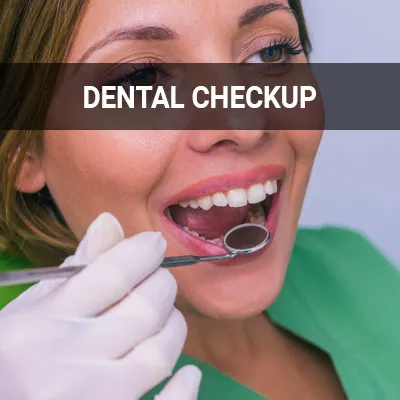
Dental Check-up
Most routine dental visits involve basic teeth cleanings. During these visits, the dental hygienist removes plaque and tartar buildup from the teeth and around the gumline.
Personal insight: Many patients assume a routine cleaning is just polishing, but one of the most important parts is removing buildup in areas that are easy to miss at home and watching for patterns that suggest future problems.
The hygienist will spend time working on one tooth at a time and may floss between the teeth. Patients typically wear a protective bib, and eye shields may also be used.
Once the hygienist has finished the cleaning, the dentist will complete a thorough exam. During this exam, the dentist looks for pockets between the teeth and gums, signs of decay, and other developing concerns. In some cases, X-rays may also be taken to identify problems that are not visible during the clinical exam.
“The hygienist will spend time working on one tooth at a time and may even floss between teeth.”
Deep Cleaning
Deep cleanings, also known as scaling and root planing, go a step further by addressing buildup below the gumline. This treatment is commonly used when gum disease is present or beginning to develop.
Personal insight: A lot of patients are surprised when they need a deep cleaning because they do not necessarily feel pain, but gum disease often progresses quietly before obvious symptoms appear.
When plaque and bacteria are not properly removed, the gums can become inflamed and begin pulling away from the teeth. This can create pockets that trap even more plaque and bacteria.
Deep cleaning is most effective in the earlier stages of gum disease, before more severe damage has occurred. If the condition is more advanced, additional treatment may be necessary to stabilize the teeth and surrounding bone.
“Deep cleanings, also known as scaling and root planing, go one step further by addressing what is below the gumline.”
Fluoride Treatments
Fluoride is a natural mineral that helps strengthen teeth, protect enamel, and reduce the risk of cavities. Professional fluoride treatments provide a more concentrated form than over-the-counter products.
Personal insight: Fluoride tends to be most helpful for patients who are getting recurrent cavities, have weakened enamel, or simply need extra help keeping small areas from turning into fillings.
Preventative dental care often includes fluoride treatments for patients who are at higher risk for cavities, depending on their oral health and cavity history.
Patients at increased risk for cavities may benefit from more frequent fluoride treatment. This can include people with poor oral hygiene, weak enamel, infrequent dental visits, higher sugar intake, or a history of repeated decay.
“Professional fluoride treatments provide patients with concentrated solutions that are much stronger than over-the-counter solutions.”
Check out what others are saying about our dental services on Yelp: Routine Dental Procedures in Whittier, CA
Dental Sealants & Basic Teeth Whitening
Dental sealants help prevent tooth decay, especially on the back teeth where deep grooves are harder to keep clean. When a dentist places sealants, a thin protective coating is applied to the chewing surfaces and bonds into the teeth's depressions and grooves to protect the enamel.
Personal insight: Sealants are one of those treatments patients sometimes overlook, but they can be very helpful for teeth that repeatedly collect plaque in deep pits and grooves even when brushing habits are good.
Because brushing and flossing do not always reach every vulnerable area, sealants can be especially useful for patients who are more prone to decay.
Patients who want to improve the appearance of their teeth may also consider professional teeth whitening. While many whitening products are sold over the counter, the most effective options are typically provided in the dental office.
Personal insight: Whitening works best when the teeth and gums are already healthy, so routine care and cosmetic improvement often go hand in hand.
Professional whitening products are more concentrated and can produce more noticeable results. Even if a patient is not an ideal candidate, our team can still help determine which cosmetic or preventive option makes the most sense.
“Sealants work to close these areas off, making them especially valuable for those who already have or are susceptible to tooth decay.”
Questions Answered on This Page
Q. What happens during a dental check-up?
Q. What happens during a deep teeth cleaning?
Q. What do dental sealants do?
Q. Can dental bonding improve the look and function of my teeth?
People Also Ask
Q. Why might I need a dental crown?
Q. Why is preventative care important? How can it save you money?
Q. What should patients do if they have sensitive teeth?
Q. Am I at high risk for developing oral cancer?
Dental Bonding
Practitioners use dental bonding to restore or improve a patient's smile. The dentist applies a tooth-colored resin material to the tooth and hardens it with a special light so it bonds into place.
Personal insight: Bonding is often a great option when patients want a noticeable improvement without committing to a more aggressive or expensive cosmetic procedure.
Dental bonding can improve appearance and function, and it is often more conservative and affordable than many other cosmetic treatments.
Some of the situations in which a dentist may use dental bonding include:
- Repairing chipped, cracked, or decayed teeth
- Protecting a tooth root that has been exposed because of receding gums
- Reducing the appearance of discoloration on teeth
- Closing small spaces between teeth or making teeth appear longer
- Changing the shape of teeth to improve appearance
This is not a complete list of uses for dental bonding. Speaking with a dental professional can help determine whether bonding is the best option for your dental issue.
“Dental bonding can enhance the smile and improve tooth function.”
Frequently Asked Questions
Q. Will I experience pain after a deep teeth cleaning?
A. Pain may persist for one or two days following a deep cleaning, along with general teeth sensitivity. Gums may bleed and become swollen and tender. Our team will provide you with a treatment plan to manage the discomfort.
Q. How can I maintain my dental hygiene routine at home?
A. Oral hygiene calls for more than regular dental visits and brushing your teeth. It is important to keep a close eye on your health. This involves conducting regular oral self-examinations and updating your dentist on any relevant information. You should floss and rinse daily and eat a balanced diet. Avoid tobacco use, which increases the risk of various cancers, gum disease, bad breath, tooth discoloration, and more.
Q. What happens if I get too much fluoride?
A. Too much fluoride may negatively affect the teeth and bones. They may cause issues with bone homeostasis, staining and pitting on teeth, and white specks on mature teeth. Our team works closely with our patients to prevent this from happening.
Q. Can children get dental sealants?
A. Yes. Dental sealants may help protect your children's teeth against cavities, which are common among children and teenagers. If left untreated, they may cause problems with eating, speaking, and learning, along with pain and infection.
Q. How long will dental bonding last?
A. The answer to this varies based on the patient's oral hygiene routine and how much bonding was done. However, most patients find that their dental bonding material lasts from three to 10 years before needing a touch-up or repair.
Q. Why are routine dental procedures important if my teeth do not hurt?
A. Routine dental procedures are important because many dental problems start without obvious pain. Regular exams, cleanings, and preventive treatments help identify issues early, reduce the risk of more costly care later, and support long-term oral health.
Q. Can a general dentist perform routine dental procedures?
A. Yes. A general dentist commonly provides routine dental procedures such as checkups, cleanings, fluoride treatments, sealants, and other preventive services that help maintain healthy teeth and gums.

Scan here to view this page, Routine Dental Procedures, on mobile

Dental Terminology
Call Us Today
Keeping up with your routine dental treatments may prevent any serious issues before they happen. We at Bailey Family Dental - Brian Choi, DMD - Whittier, CA may be able to help. Call us today at 562-698-8739 to learn more and schedule an appointment.
Helpful Related Links
- American Dental Association (ADA). Glossary of Dental Clinical Terms. 2024
- American Academy of Cosmetic Dentistry® (AACD). Home Page. 2024
- WebMD. WebMD’s Oral Care Guide. 2024
About our business, license, and website security
- Bailey Family Dental – Brian Choi, DMD – Whittier, CA was established in 2020.
- We accept the following payment methods: American Express, Cash, Check, Discover, MasterCard, and Visa
- We serve patients from the following counties: Los Angeles County, and Orange County
- We serve patients from the following cities: Whittier, La Mirada, Santa Fe Springs, La Habra, Hacienda Heights, Pico Rivera, Downey, Buena Park, Rowland Heights and City of Industry
- CA (License #61926). View License Information and Specifics
- National Provider Identifier Database (1811276025). View NPI Registry Information
- Healthgrades. View Background Information and Reviews
- Norton Safe Web. View Details
- Trend Micro Site Safety Center. View Details

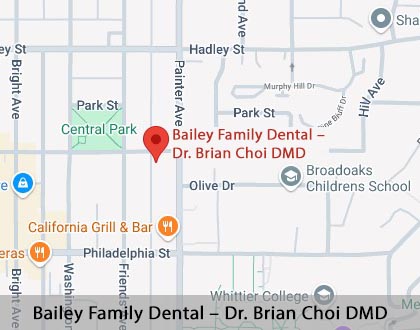
Scan here to open directions to Bailey Family Dental - Brian Choi, DMD - Whittier, CA on mobile
Back to top of Routine Dental Procedures
Related Posts
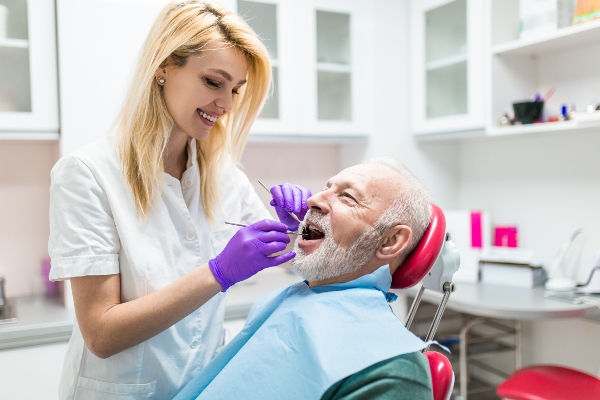
How Often Should You Get A Dental Cleaning?
Regular dental cleaning helps remove plaque and tartar, monitor gum health, and catch dental problems early. As part of ongoing care from a general dentist, routine cleanings can help protect your teeth, gums, and long-term oral health.At Bailey Family Dental in Whittier, we use dental cleanings and examinations to monitor plaque, tartar buildup, cavities, gum…
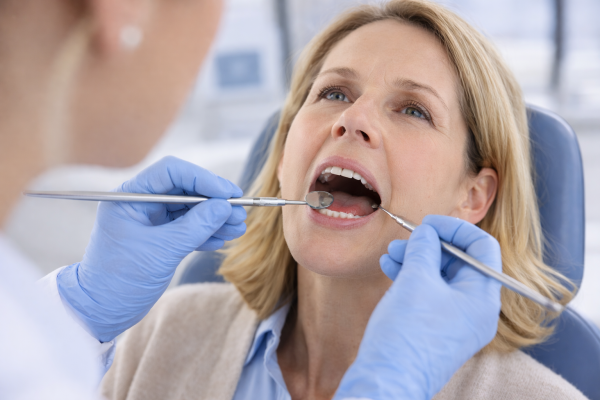
Signs You May Have A Cavity (Even Without Pain)
Many people assume that if a tooth does not hurt, there is no cavity. Unfortunately, tooth decay can start quietly and grow before causing pain. Some cavities are found during a routine dental exam or on X-rays before the patient feels anything unusual. To understand why X-rays matter, read our blog on Why You Need…
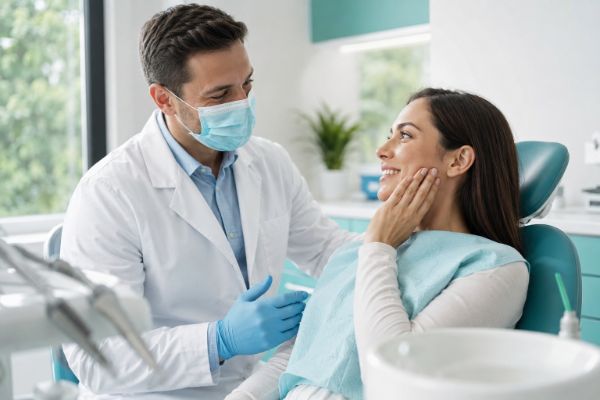
Why Does My Tooth Hurt After A Filling?
It is common to have some tooth sensitivity or soreness after a filling. Mild sensitivity to cold, heat, or pressure for a few days to a couple of weeks is normal as the tooth settles, especially with a deeper filling. The pain should steadily fade. Pain that gets worse, throbs, or lasts beyond two to…
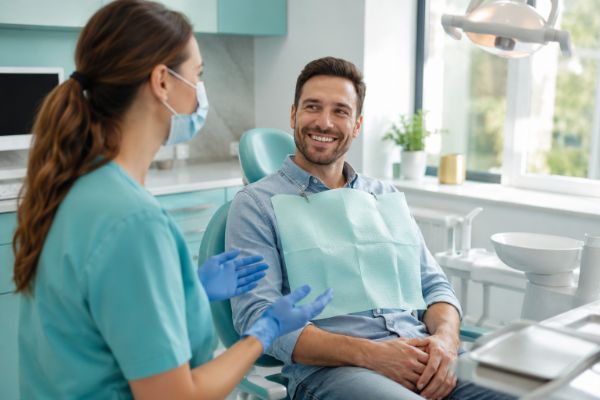
How Long After A Filling Can You Eat?
In most cases you can eat after a filling as soon as the numbness wears off, usually within one to three hours. Tooth-colored composite fillings harden fully under the curing light before you leave the chair, so the filling itself is ready right away — the main reason to wait is simply to avoid biting…
Explore additional topics covered on our website:
Call Us Today

Scan here to call Bailey Family Dental - Brian Choi, DMD - Whittier, CA on mobile