Can Dry Mouth Cause Bad Breath?
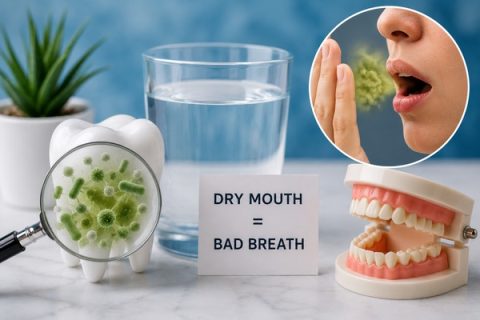
Yes, dry mouth can cause bad breath. When there is not enough saliva, food particles, bacteria, and odor-causing debris can stay in the mouth longer. This can make the breath smell worse, especially in the morning, after long periods of talking, or when dry mouth is related to medications, mouth breathing, dehydration, or other health factors.
At Bailey Family Dental in Whittier, we evaluate bad breath and dry mouth by checking the teeth, gums, tongue, oral tissues, plaque buildup, tartar, cavity risk, gum health, medications, and other possible contributing factors.
Can Dry Mouth Cause Bad Breath?
Dry mouth can contribute to bad breath because saliva helps keep the mouth moist and helps wash away food particles and bacteria. When saliva flow is reduced, the mouth may feel sticky, dry, rough, or uncomfortable, and odor-causing bacteria can linger longer than usual.
Bad breath from dry mouth may be more noticeable when waking up, after speaking for long periods, during stress, after drinking alcohol or caffeine, or when breathing through the mouth. It may also happen when medications or medical conditions reduce saliva flow.
If you want a broader overview of dry mouth symptoms, causes, and dental risks, visit our Dry Mouth page.
Why Saliva Matters for Breath
Saliva helps rinse the mouth, dilute acids, support chewing and swallowing, and keep oral tissues more comfortable. When saliva is reduced, the mouth may not clear bacteria and debris as effectively.
This matters because many cases of bad breath are related to bacteria in the mouth. Bacteria can collect on the tongue, around the gums, between the teeth, under dental work, or in areas that are harder to keep clean.
Personal insight: When a patient complains of bad breath, we do not only ask whether they brush. We also look for dry mouth, tongue coating, gum inflammation, tartar buildup, cavities, older dental work that may trap food, and medications that may be affecting saliva.
Signs Your Bad Breath May Be Related to Dry Mouth
Bad breath may be related to dry mouth when it happens together with a dry, sticky, burning, or rough feeling in the mouth. Some patients also notice thick saliva, frequent thirst, cracked lips, mouth soreness, changes in taste, or trouble speaking for long periods.
Dry mouth-related bad breath may also be worse at certain times, such as:
- In the morning: Saliva flow naturally decreases during sleep.
- After mouth breathing: Breathing through the mouth can dry the oral tissues.
- After long conversations: Talking for a long time can make dryness more noticeable.
- After alcohol, caffeine, or tobacco: These can make the mouth feel drier for some patients.
- After starting new medications: Many prescription and over-the-counter medications can contribute to dry mouth.
Medications Can Play a Role
Medications are a common reason patients develop dry mouth. Blood pressure medications, allergy medications, antidepressants, anxiety medications, pain medications, decongestants, and other prescriptions or over-the-counter products may affect saliva flow.
If you think your dry mouth or bad breath started after a medication change, do not stop or change medication on your own. A dentist can evaluate the oral signs and may recommend that you discuss possible medication-related dry mouth with your physician or prescribing provider.
Our Medications That Affect Oral Health page explains how medications can affect the mouth in different ways.
Dry Mouth Is Not the Only Cause of Bad Breath
Dry mouth can cause or worsen bad breath, but it is not the only possible cause. Bad breath may also come from gum disease, cavities, poor tongue cleaning, food trapped between teeth, oral infections, tobacco use, certain foods, dental appliances, or some medical conditions.
This is why persistent bad breath should be evaluated instead of covered up with mints or mouthwash. Mints may temporarily improve taste or smell, but if they contain sugar, they may increase cavity risk. Some strong mouth rinses may also feel irritating or drying for certain patients.
If you are trying to understand bad breath more broadly, our Bad Breath page explains other dental causes and when to schedule an evaluation.
Can Gum Disease Cause Bad Breath Too?
Yes. Gum disease can also contribute to bad breath. When plaque and tartar build up around the gumline or below the gums, bacteria can irritate the gums and create odor. This may happen along with bleeding, swelling, deeper periodontal pockets, or gum recession.
Dry mouth and gum disease can also overlap. Reduced saliva may make the mouth harder to keep clean, while gum inflammation or periodontal pockets may create areas where bacteria collect.
If bad breath happens with bleeding gums, swollen gums, gum recession, or loose-feeling teeth, our Gum Disease Treatment page explains how periodontal problems are evaluated.
What Can Help Bad Breath From Dry Mouth?
What helps depends on the cause of the dry mouth. Some patients may benefit from drinking water more often, using sugar-free gum or lozenges, avoiding tobacco, limiting alcohol, reducing frequent sugary or acidic drinks, cleaning the tongue, and improving brushing and flossing habits.
Dental recommendations may include fluoride, dry mouth products, saliva substitutes, more frequent monitoring, cavity-prevention strategies, or a discussion with a physician if medication or a medical condition may be contributing.
Our Oral Hygiene Basics page explains daily habits that can help reduce plaque, bacteria, and food debris between dental visits.
When Should You See a Dentist?
Schedule a dental evaluation if bad breath is persistent, keeps returning, or happens with dry mouth, bleeding gums, swollen gums, tooth sensitivity, cavities, mouth sores, a bad taste, or trouble chewing, speaking, or swallowing.
A dentist can check whether the issue appears related to dry mouth, gum disease, cavities, oral hygiene, dental work, appliances, medications, or another concern. If the signs suggest a medical cause, your dentist may recommend follow-up with your physician or another healthcare provider.
A dental checkup can help identify the cause. If plaque, tartar, or inflammation is present, a dental cleaning and examination may also be recommended.
So, Can Dry Mouth Cause Bad Breath?
Yes. Dry mouth can cause or worsen bad breath because reduced saliva allows bacteria, food particles, and odor-causing debris to stay in the mouth longer. However, bad breath can also come from gum disease, cavities, tongue coating, dental appliances, tobacco, food, or other health factors.
If your bad breath is persistent or happens with dry mouth, bleeding gums, gum irritation, sensitivity, or new cavities, schedule a dental evaluation. Finding the cause is the first step toward choosing the right solution.
Reviewed by Brian Choi, DMD
General Dentist at Bailey Family Dental in Whittier, CA
Updated: August 2026
Concerned about dry mouth or bad breath?
Dry mouth and bad breath can have several possible causes. Bailey Family Dental in Whittier can evaluate your teeth, gums, tongue, oral tissues, medications, cavity risk, and gum health to help identify the likely cause and determine the next step.
We’re currently accepting new patients.
Request an Appointment