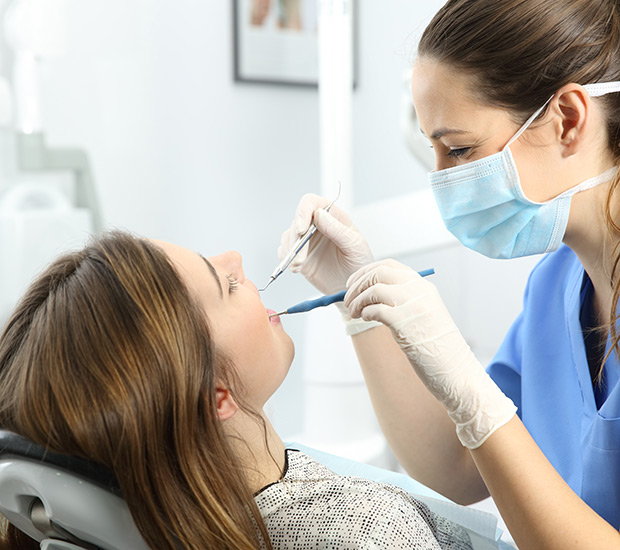
What Does a Dental Hygienist Do Whittier, CA
Dental hygienists help patients maintain healthy teeth and gums through professional cleanings, gum health monitoring, oral hygiene guidance, and prevention-focused care. During a routine visit, the hygienist often works closely with the dentist to identify early signs of plaque buildup, tartar, gum inflammation, and other oral health concerns.
Bailey Family Dental in Whittier, CA provides dental cleanings and examinations for patients in Whittier and the surrounding area. Call us at (562) 698-8739 to schedule an appointment.
What Does a Dental Hygienist Do?
A dental hygienist helps with preventive dental care. This often includes professional cleanings, plaque and tartar removal, gum health monitoring, oral hygiene education, and helping patients understand how to care for their teeth and gums between visits.
During a routine visit, the hygienist may clean the teeth, review home care habits, take X-rays when needed, measure gum pockets, and note areas of bleeding, inflammation, recession, or tartar buildup. The dentist then uses this information along with the clinical exam to diagnose problems and recommend treatment when needed.
Clinical insight: A dental cleaning is not just about polishing teeth. Where plaque, tartar, bleeding, or inflammation shows up can tell us which areas are harder to clean and which areas may need closer monitoring over time.
How Dental Hygienists Help Monitor Gum Health
During routine exams and cleanings, dental hygienists often help monitor the health of the gums. They may review periodontal measurements, note bleeding or inflammation, and look for signs that may point to gum disease.
Bleeding, swelling, gum recession, tartar buildup, and deeper periodontal pockets can help the dentist determine whether routine care is enough or whether more focused gum treatment is needed. These findings also help the team decide whether a patient may benefit from improved home care, a different cleaning interval, or periodontal treatment.
Dental hygienists may also take X-rays when needed and document changes that should be reviewed by the dentist. This team approach helps patients receive a more complete evaluation during routine dental visits.
Oral Hygiene Guidance and Documentation
Dental hygienists often help patients understand how to care for their teeth and gums at home. This may include reviewing brushing technique, flossing, cleaning along the gumline, using interdental brushes, or choosing tools that fit the patient’s mouth more effectively.
If plaque and tartar are collecting below the gumline, the dentist may evaluate whether root scaling and planing is needed instead of a routine cleaning. This is why gum measurements, bleeding points, and tartar patterns are important to document.
Clear documentation helps the dentist and hygienist monitor changes over time. It also helps patients understand whether their oral health is stable, improving, or showing signs that need more attention.
See what patients are saying about their experience with our dental office: Bailey Family Dental reviews
When Patients See a Dental Hygienist
Patients often see a dental hygienist during routine cleanings and examinations. The visit may include reviewing health history, cleaning the teeth, checking gum health, taking X-rays when appropriate, and discussing home care habits.
- Health history: Reviewing medical conditions, medications, dental concerns, and changes since the last visit
- Teeth cleaning: Removing plaque, tartar, and buildup from around the teeth and gumline
- Gum health monitoring: Watching for bleeding, inflammation, gum recession, and periodontal pocketing
- Home care guidance: Helping patients improve brushing, flossing, and cleaning between the teeth
The dentist remains responsible for diagnosis and treatment planning. The hygienist’s findings help the dentist understand what is changing and whether a patient needs routine care, a different cleaning interval, or additional treatment.
FAQs
Q. What does a dental hygienist do?
A. A dental hygienist helps with preventive dental care, including professional cleanings, plaque and tartar removal, gum health monitoring, oral hygiene guidance, and documentation of findings for the dentist to review.
Q. Does a dental hygienist diagnose gum disease?
A. The dentist is responsible for diagnosis and treatment planning. A dental hygienist may help collect important information by measuring gum pockets, noting bleeding or inflammation, and documenting tartar buildup or gum recession for the dentist to review.
Q. How often should I see a dental hygienist?
A. Many patients benefit from dental cleanings about every six months. Some patients may need more frequent visits depending on gum health, tartar buildup, cavity risk, dry mouth, medical history, or history of periodontal disease.
Q. Can a dental hygienist help with bleeding gums?
A. A dental hygienist can help remove plaque and tartar that may contribute to gum inflammation and bleeding. If bleeding is related to deeper gum disease, the dentist may recommend additional periodontal evaluation or treatment.
Q. Is seeing a dental hygienist the same as seeing the dentist?
A. No. The dental hygienist and dentist work together, but they have different roles. The hygienist focuses heavily on cleaning, prevention, gum health monitoring, and home care guidance, while the dentist diagnoses conditions and creates treatment plans.
Dental Cleanings and Gum Health Guidance in Whittier, CA
Dental hygienists help support routine cleanings, gum health monitoring, oral hygiene guidance, and prevention-focused dental care. Bailey Family Dental in Whittier, CA provides dental cleanings and examinations for patients in Whittier and the surrounding area.
Call (562) 698-8739 to schedule an appointment.