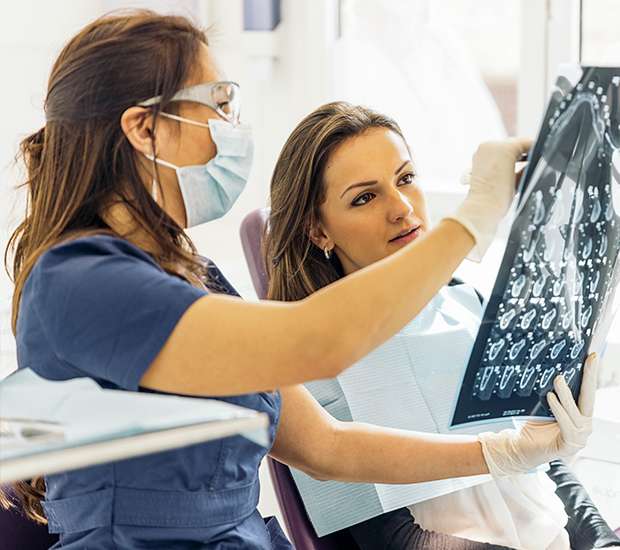
Preventative Dental Care in Whittier, CA
We have all heard from a young age that brushing and flossing are important. Those habits matter, but they are only part of protecting a healthy smile. Preventative dental care also includes regular oral exams, professional cleanings, routine X-rays when needed, and healthy lifestyle choices that help lower the risk of future dental problems, including cavities and gum disease. For daily home care guidance, visit our Oral Hygiene Basics page.
If it has been a while since you or your family has seen a dentist, now is a good time to get back on track. Bailey Family Dental in Whittier, CA provides preventative dental care for patients in Whittier and the surrounding area. Call us at (562) 698-8739 to schedule an appointment.
The Importance of Preventative Care
Untreated tooth decay and gum problems are common, and they often become more difficult to manage when care is delayed. The longer someone waits to visit the dentist, the more likely they are to develop painful and costly dental problems later. Preventative dental care helps lower the risk of cavities, gum disease, and other significant oral health concerns by making it easier to find problems early, when they are often simpler to manage.
Oral health is also connected to overall health. The mouth can harbor harmful bacteria and also serves as an entry point to the digestive and respiratory tracts. Without proper oral hygiene and consistent preventive care, secondary complications may develop and affect health beyond the teeth and gums.
In our experience, patients who stay consistent with preventive care often avoid larger and more expensive dental problems down the road. Preventative care is commonly coordinated through a general dentist who can monitor changes over time, identify early warning signs, and recommend treatment before a minor issue becomes a more involved one.
Good preventive habits can also help reduce costs over time. While they may not eliminate the need for treatment entirely, they can reduce the likelihood of more extensive care. Regular preventive care, cleanings, exams, and recommended dental visits can support better long-term oral health and may help patients avoid larger treatment needs later.
What Is Included in Preventative Dental Care?
Preventative dental care is more than a quick cleaning. It usually includes a dental exam, professional cleaning, gum health check, cavity screening, oral hygiene guidance, and X-rays when they are needed to check areas that cannot be seen directly.
At Bailey Family Dental, preventative visits help us look for early signs of cavities, gum inflammation, gum recession, cracked teeth, worn teeth, and problems around old dental work. The goal is to find small problems before they become painful, expensive, or harder to treat.
Preventative care may also include fluoride recommendations, dental sealants, dry mouth guidance, home care coaching, and a cleaning schedule based on your individual risk level.
“The longer someone waits to visit the dentist, the more likely they are to develop painful and costly dental problems later on.”
Visit the Dentist Regularly
Dental cleanings and exams allow dentists to identify problems and address them early. For many people, visits are recommended about twice a year. However, visit frequency should be determined by a dentist based on current oral health, risk factors, and medical history.
Personalized care matters because not every patient has the same needs. Someone with a higher risk for decay, gum disease, or other complications may benefit from more frequent visits. Someone at lower risk may do well with a more standard schedule. A general dentist can help determine which visit pattern makes the most sense for your needs.
In many cases, routine visits also make care feel more manageable. Instead of waiting until symptoms become noticeable, patients can stay ahead of developing problems and receive guidance before treatment becomes more involved. This is one of the main reasons preventive care remains such an important part of protecting long-term oral health.
“Dental cleanings and exams help identify problems early, before treatment becomes more involved.”
The Ins and Outs of a Dental Cleaning
A routine dental cleaning is a major part of preventative dentistry. It is also an opportunity to identify areas that may need more attention at home while brushing or flossing. These visits often include a regular checkup with our dentist, a review of the gums and soft tissues, and any necessary X-rays. Learn more on our Dental Cleaning and Examinations page.
A basic dental cleaning includes a physical exam of the mouth. This often involves using a small mirror to check around the teeth and gums for inflammation, plaque buildup, recession, or other concerns. Our staff then uses small instruments to remove plaque and tartar from around the gum line and between the teeth. This is followed by a thorough cleaning and flossing. The mouth may be rinsed throughout the process as needed.
Deep cleanings are different from routine cleanings because they are designed to remove plaque, tartar, and bacteria below the gum line and along the roots of the teeth. This type of cleaning may be recommended when gum disease is present or beginning to progress. Learn more on our Root Scaling and Planing page. In many situations, treating the problem early helps reduce the risk of more advanced periodontal damage later.
Some patients also need additional guidance about what their cleaning findings mean. For example, we sometimes see patients who brush regularly but still collect buildup in harder-to-reach areas. Preventive visits allow us to explain where problems are developing and how home care can be improved before more serious treatment becomes necessary. Patients who need ongoing maintenance or closer preventive monitoring often benefit from care coordinated through a general dentist.
“Routine cleanings help remove buildup and give patients a clearer picture of their oral health.”
See our Google reviews: Read what patients are saying about Bailey Family Dental
Making the Right Lifestyle Choices
Lifestyle choices can have a direct effect on dental health. From poor sleep to smoking and oral piercings, many everyday decisions can increase the risk of oral health problems. Tobacco can affect healing and make dental disease more likely, while oral piercings can contribute to gum recession, chipped teeth, and soft tissue irritation.
A healthy diet also plays an important role in preventive care. When the body is lacking important nutrients, it can become harder for the tissues in the mouth to resist infection. This may contribute to gum inflammation or gum disease. If you notice symptoms such as bleeding gums or receding gums, those symptoms should be evaluated rather than ignored.
It is also helpful to limit excess sugar. Sugar feeds cavity-causing bacteria and can contribute to both tooth decay and gum disease. Many sugary foods and drinks are also acidic, which can weaken enamel over time. Drinking plenty of water and eating a balanced diet from the major food groups can support stronger teeth and healthier gums.
In our office, we often see that preventive success is not only about brushing and flossing. It is also about the everyday habits that influence oral health. This is another reason routine care with a general dentist can be so helpful. It gives patients a chance to receive practical guidance based on their own risk factors rather than only general advice.
“Lifestyle choices can have a direct effect on a family’s dental health.”
Treatments to Consider
In addition to regular checkups and cleanings, a dentist may recommend other services to strengthen a preventive care plan. These may include fluoride treatments, dental sealants, or other protective measures that help reduce the risk of decay.
Topical fluoride helps strengthen teeth and make them more resistant to cavities. While these treatments are often recommended for children and teenagers, some adults also benefit from them, especially if they are at higher risk for decay. In certain situations, a fluoride product for home use may also be recommended as part of an ongoing prevention plan.
Dental sealants are thin protective coatings applied to the chewing surfaces of teeth. They help shield teeth from food particles and bacteria that contribute to cavities. The teeth are cleaned, the sealant is placed, and then it is hardened so it bonds to the surface. This process is typically straightforward and can provide added protection in areas that are harder to keep clean.
Preventative treatment recommendations should be based on individual needs. Patients with a history of decay, enamel wear, or gum concerns may benefit from a different combination of services than someone with a lower risk profile. This is another reason why regular visits with a general dentist remain such an important part of maintaining oral health over time.
“In addition to regular checkups and cleanings, a dentist may suggest other services to assist with a family’s preventative dental care.”
Questions Answered on This Page
Q. Why is preventative care important? How can it save you money?
Q. What is included in preventative dental care?
Q. How often should I see the dentist?
Q. What do routine and deep cleanings involve?
Q. How do lifestyle choices affect dental health?
Q. What other preventative services are available?
People Also Ask
Q. Can preventative dental care help prevent gum disease?
Q. What should a home oral care routine include?
Q. Can a dental cleaning and exam find problems early?
Frequently Asked Questions
Q. What is preventative dentistry?
A. Preventative dentistry is care designed to keep your teeth and gums healthy and reduce the risk of future problems. It includes regular dental visits, professional cleanings, exams, and healthy habits at home. The goal is to catch issues early or prevent them from developing in the first place.
Q. How often do I need to see the dentist for preventative dental care?
A. For many people, two visits a year are recommended. However, some patients need to be seen more often based on their risk for decay, gum disease, or other oral health issues. During these visits, a general dentist can evaluate your oral health, provide a professional cleaning, recommend any necessary X-rays, and help determine the best preventive schedule for you.
Q. I have not seen the dentist in a long time. Now what?
A. It is never too late to restart healthy dental habits. The first step is scheduling an appointment so we can evaluate your current oral health and explain what comes next. Many patients avoid care for years and are relieved to find that starting with a preventive visit makes the process feel much more manageable.
Q. What happens during a dental cleaning and exam?
A. Dental cleanings and exams involve removing plaque and tartar, cleaning the teeth, and examining the mouth for signs of oral health issues. If needed, X-rays may also be taken to look beneath the surface. Regular visits help identify problems early, when they are often easier to treat.
Q. Why do I need X-rays?
A. X-rays are an important diagnostic tool because they allow us to see areas that are not visible during a regular exam, such as between teeth, below the gum line, and around the roots. In many cases, they help identify problems early and can reduce the risk of more serious issues later.
Q. I brush my teeth every day. Why do I need a professional cleaning?
A. Brushing every day is important, but it does not remove all plaque and tartar, especially in harder-to-reach areas. Once tartar forms, it needs to be removed professionally. Regular cleanings remain an important part of preventative dental care because they help reduce the risk of cavities, gum disease, and other oral health problems.
Reviewed by Brian Choi, DMD
General Dentist at Bailey Family Dental in Whittier, CA
Updated: June 2026
Ready to Get Back on Track With Preventative Care?
Preventative dental care helps protect the teeth, gums, and long-term oral health. Bailey Family Dental in Whittier can evaluate your teeth and gums, explain what we are seeing, and recommend simple next steps for ongoing care.
Call Bailey Family Dental in Whittier at 562-698-8739 to schedule a preventative visit.