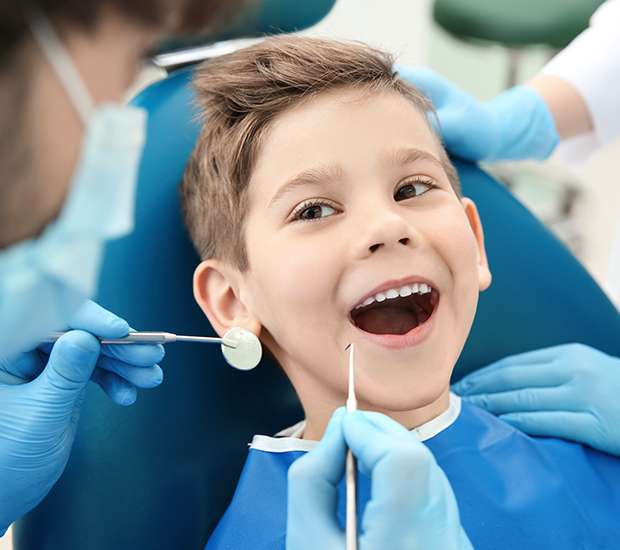
Dental Sealants in Whittier, CA
Bacteria love to find all the nooks and crannies in teeth, especially in the back teeth used to chew. In addition to brushing and flossing, dental sealants provide another layer of protection. This thin plastic coating fills and adheres to the chewing surface of the teeth to help prevent cavities.
Bailey Family Dental in Whittier, CA can evaluate whether dental sealants make sense based on the shape of the teeth, cavity risk, age, home care, and existing dental findings. Call us at (562) 698-8739 to schedule an appointment.
What Are Dental Sealants?
Dental sealants are thin protective coatings that are bonded to the chewing surfaces of back teeth as added protection against tooth decay. This protective coating helps keep bits of food out of the grooves of the teeth and stops bacteria and acid from settling there. Dental sealants are often used as part of preventative dental care because they can help protect cavity-prone grooves on back teeth.
Dental sealants have been used successfully for more than 40 years and continue to grow in popularity. For patients who are more prone to tooth decay, sealants may help lower the risk of needing future cavity treatment on the chewing surfaces of back teeth.
The Right Age for Sealants
Both children and adults can benefit from sealants, but the earlier they are put on, the better the long-term outcome. Children should get sealants on their permanent molars as soon as they come in. The first molars usually appear around six years old and the second molars roughly six years later. Sealants will protect teeth through a child's most cavity-prone years.
Dental sealants may also benefit baby teeth. Since baby teeth play such an important role in the correct spacing of permanent teeth, it is important to keep those teeth healthy and in place until they are ready to come out. When determining whether to have sealants applied to a younger child, make sure the child can keep their mouth open for an extended period and sit still for the procedure.
Who Should Consider Dental Sealants?
Dental sealants are commonly recommended for children and teens when the permanent back molars come in, because those grooves can be hard to clean well. Sealants may also be helpful for some adults who have deep grooves, frequent cavities, dry mouth, difficulty cleaning the back teeth, or early signs of cavity risk on the chewing surfaces.
Sealants are not a replacement for brushing, flossing, fluoride, regular dental cleanings, or dental exams. They are one preventive tool that may help protect specific areas of the teeth when the grooves are more likely to trap plaque and food.
At Bailey Family Dental, we can check whether the tooth is a good candidate for a sealant or whether a different treatment is needed because decay is already present.
Benefits and Limitations of Dental Sealants
In addition to their protective properties, dental sealants can be long-lasting and durable. Dental sealants may help reduce cavity risk in the back teeth, where deep grooves can trap plaque and food. Sealants can stay in place for years, but they still need to be checked during regular dental visits.
There are some disadvantages. Children may need to have sealants reapplied if they fall out, chip, or wear away. Dental sealants can get chipped or worn when a patient bites into hard food or eats too much food with high acidic content. It's best to keep a close eye on what a child with sealants consumes, especially right after the sealant is applied. A patient's bite can feel slightly off after application due to the extra layer on the tooth, but this is temporary. During a regular dental visit, we will check the sealant's condition and reapply them as needed. Sealants need to be monitored and maintained during routine visits to ensure they do not wear away.
See our Google reviews: Read what patients are saying about Bailey Family Dental
When Dental Sealants Are Not Enough
Dental sealants are meant to help protect teeth before cavities form. They do not treat active tooth decay. If a groove already has a cavity, soft tooth structure, a broken area, or decay that shows on an exam or dental X-ray, a sealant may not be the right treatment.
In those cases, the tooth may need a different option, such as a tooth-colored filling or another type of cavity treatment. The right choice depends on the size of the cavity, how much healthy tooth structure remains, symptoms, and X-ray findings.
At Bailey Family Dental, we check the tooth first so we can recommend prevention when appropriate and treatment when decay is already present.
The Dental Sealant Procedure
The procedure used to apply dental sealants is quick and painless. First, the teeth are cleaned and dried. We will then apply an acidic gel to the tooth surface to help create a strong bond between the tooth and the sealant. Once the gel is rinsed off and the teeth dried again, the sealant is applied to the grooves of the chewing surface. A special curing light hardens the sealant onto the tooth.
We will also check the surface for any problems. If any issues are present, the sealant may be touched up or reapplied. Then we will rinse the newly sealed teeth clean. There are no known side effects from the procedure and no eating or drinking restrictions after treatment.
“The procedure used to apply dental sealants is quick and painless.”
The Post-Sealant Experience
There may be some slight discomfort when the sealants are first applied as the child gets used to having an additional layer of material on their back teeth. Some children complain of a feeling of not being able to fit their back teeth together. The thin film will feel like it's a part of the actual tooth within a day or so.
Other reactions include complaining of an odd taste immediately after sealant application. Usually, a good rinse or a sip of a flavored drink will help eliminate the taste. Our team will help address any issues or concerns after the sealants are applied.
Questions Answered on This Page
Q. What are dental sealants? Are they growing in popularity?
Q. What's the right age to get sealants?
Q. Who should consider dental sealants?
Q. What are the benefits and limitations of dental sealants?
Q. When are dental sealants not enough?
Q. How are dental sealants applied?
Q. What does it feel like after sealants are applied?
People Also Ask
Q. How does preventative dental care protect long-term oral health?
Q. What happens during a dental cleaning and examination?
Frequently Asked Questions
Q. What are dental sealants?
A. Sealants are a liquid material used to fill the grooves and depressions on the surface of the teeth, especially the molars. This plastic coating bonds to the tooth's surface. This protects the tooth from lingering food and bacteria, helping to prevent decay.
Q. Who should get dental sealants?
A. Children and adults can receive dental sealants. However, we typically recommend them for children and teens to help prevent cavities. Adults who are prone to tooth decay are also good candidates for dental sealants.
Q. How much do sealants cost?
A. The cost of dental sealants varies. It will depend on factors, such as the location, insurance plan, and the number of treated teeth. Patients should contact their insurance provider for more information.
Q. Are dental sealants painful?
A. The process of applying dental sealants is convenient and painless. We brush the plastic coating onto teeth, which does not cause any pain. Dental sealants will prevent cavities that can cause tooth pain and damage.
Q. How long do sealants last?
A. If taken care of properly, sealants can last for many years. Our team will ensure that the sealants are not showing any signs of wear and tear during regular dental checkups. Dental sealants are not hard to replace if necessary.
Reviewed by Brian Choi, DMD
General Dentist at Bailey Family Dental in Whittier, CA
Updated: June 2026
Interested in Dental Sealants?
Dental sealants may help protect cavity-prone grooves on back teeth, especially for children, teens, and some adults at higher risk for tooth decay. Bailey Family Dental in Whittier can evaluate whether sealants make sense for you or your child.
Call Bailey Family Dental at 562-698-8739 to schedule an appointment.