
General Dentist Whittier, CA
Regular visits to a general dentist are essential to maintaining oral health and overall well-being. A general dentist provides preventive care, diagnoses common dental concerns, treats many routine problems, and helps patients of all ages protect their teeth and gums over time.
Receive quality, comprehensive care from Bailey Family Dental - Brian Choi, DMD - Whittier, CA in Whittier and the surrounding area. Our team offers exams, cleanings, fillings, preventive treatment, and personalized dental guidance in a comfortable setting. Call us today at (562) 698-8739 to learn more or schedule an appointment.
Finding the Right Fit
A general dentist is a primary care dental provider that focuses on the prevention of disease. These dental professionals can diagnose, treat, and manage a patient's overall oral health care needs. They also encourage good oral health and hygiene to help people avoid the progression of oral diseases.
Finding the right dentist is crucial because that provider can teach patients how to maintain oral health, treat common dental concerns, and help patients get more advanced care when they need it. Working with a compatible general dentist can improve a patient's well-being in the long run because oral health is closely tied to comfort, nutrition, confidence, and overall health.
Some patients prefer a smaller private dental office because it offers more one-on-one interaction and greater continuity of care. Others may be comfortable in a larger practice with multiple providers on site. Either approach can work, but patients who value building a relationship with one provider often appreciate the consistency that comes from seeing the same dentist over time.
Choosing a new provider should also involve practical considerations. Patients often want to know whether the office is accepting new patients, whether the dentist treats children and adults, what services are available in-house, and how the office handles referrals when specialized care is needed.
Personal insight: In day-to-day practice, one of the biggest long-term advantages comes from consistency. When patients come to the same dentist regularly, subtle changes in the teeth and gums are easier to spot early, often before they become painful or expensive to treat.
“A general dentist is a primary care dental provider that focuses on the prevention of disease.”
Types of Services the General Dentist Performs
Unlike dental specialists who focus on a particular aspect of dentistry, general dentists provide a broad range of services that are vital to continued health. A general dentist serves as the first point of contact for many patients and can diagnose, treat, and help meet a wide range of oral health needs.
Preventive care is one of the most important parts of general dentistry. This often includes dental checkups, professional cleanings and examinations, X-rays when necessary, education on home care, and discussion of nutrition and lifestyle habits that affect the mouth.
General dentists may also provide restorative services to treat damaged or decayed teeth and help preserve function. One of the most common services is removing tooth decay and placing a filling to restore the structure of the tooth. Patients can also be evaluated for gum disease, bad breath concerns, sensitivity, broken teeth, and early signs of infection.
Many general dentists offer additional preventive treatments such as fluoride applications and dental sealants. While brushing and flossing remain essential, these treatments may provide an extra layer of protection against tooth decay for certain patients.
When a patient presents with pain, swelling, or damage, the general dentist can also determine whether treatment such as root canal treatment, tooth extraction, or urgent treatment through an emergency dentist visit may be appropriate.
Personal insight: One of the most common things we see is patients assuming that if nothing hurts, nothing is wrong. In reality, cavities, cracked teeth, and gum disease often progress quietly. Preventive visits are what let us catch those problems before symptoms become more serious.
“Preventative care is key to helping patients maintain oral health and may include services such as routine dental check-ups and education on proper oral hygiene techniques and nutrition.”
General Dentist Qualifications
General dentists are qualified to take care of patients of all ages. This makes them a convenient option for parents who would like the whole family treated at one practice location. Children and adults should have regular dental exams at six-month intervals to encourage good oral health, although some patients benefit from more frequent visits depending on their needs.
Dentists list their postgraduate degrees after their names as a way to identify their credentials. Most dentists are listed as DDS, which stands for Doctor of Dental Surgery. Other dentists have the credentials DMD, which stands for Doctor of Medicine in Dentistry or Doctor of Dental Medicine. Although the names are different, both degrees require four years of dental school training after college.
Licensure is also important. Dentists must meet state licensing requirements, including written and clinical examinations, before they can diagnose disease and provide treatment. Patients who want additional reassurance can also verify credentials through state boards and other professional databases.
General dentistry is not just about the teeth. A complete health history matters because medications, medical conditions, and habits can affect oral health. For example, dry mouth can increase cavity risk, diabetes can increase gum disease risk, and tobacco use can change both treatment planning and long-term outlook.
Personal insight: Many patients are surprised by how often their medical history affects their dental care. Reviewing medications and health conditions carefully helps us make safer, more personalized recommendations rather than taking a one-size-fits-all approach.
“General dentists can take care of patients of all ages.”
Check out what others are saying about our dental services on Yelp: General Dentist in Whittier, CA
The Difference Between DDS and DMD
Children of all ages can have regular dental appointments with a general dentist. Although it might seem early, the sooner children have regular dental checkups, the healthier their mouths will stay throughout their lives. These visits help prevent cavities and tooth decay, which can lead to pain and other complications.
Asking questions during appointments with a general dentist is an important part of long-term care. Patients can ask about the frequency of checkups, the best oral hygiene practices, diet, sensitivity, gum bleeding, bad breath, and the reasons behind recommended treatment. Dental health varies from person to person, and each patient benefits from guidance that fits their actual situation.
Whether a dentist uses DDS or DMD after their name, the level of education and training is equivalent. For patients, what matters more is how clearly the dentist explains findings, how carefully the office evaluates concerns, and whether the provider's approach feels comfortable and trustworthy.
In a smaller dental office, patients often receive more time and attention during visits. That can make a real difference for people who have dental anxiety, have not been to the dentist in years, or simply prefer to build a relationship with a single provider rather than being moved between multiple practitioners.
Personal insight: Patients are often most comfortable when they understand exactly what we are seeing and why we are recommending something. Taking the time to explain findings clearly tends to make treatment feel much less overwhelming.
“Children of all ages can have regular dental appointments with a general dentist.”
Questions Answered on This Page
- What does a general dentist do?
- What services does a general dentist usually provide?
- How is a private dental office different from a larger practice?
- Can a general dentist treat my whole family?
- What is the difference between DDS and DMD?
- How often should I visit a general dentist?
- What if I need a treatment my general dentist does not perform?
- How can I research a dentist before choosing an office?
People Also Ask
- What is the role of a general dentist?
- Is a general dentist the same as a family dentist?
- Can a general dentist treat tooth pain?
- Do general dentists do fillings and cleanings?
- Do I need a referral to see a specialist?
- How do I know if a dental office is the right fit for me?
Referrals From a General Dentist
General dentists receive comprehensive training for many treatments, but not every issue is treated in every office. Even if a general dentist does not perform a specialized procedure directly, they can still diagnose the problem, explain the condition, and refer the patient to the appropriate dental professional.
Some concerns that may require referral include more complex oral surgery, advanced orthodontic needs, certain periodontal procedures, or other specialty treatments. A strong general dentist remains the patient's central point of guidance even when another provider becomes part of the treatment process.
When choosing a dental practice, patients should also think about what services the office provides in-house and how referrals are handled. Some practices may offer a wider menu of services, while others focus heavily on general care and partner with specialists when needed. Patients who want a single office for routine family care often find that a general dentist is the best place to start.
Using online resources can also help when researching a provider. Search engines, review platforms, insurance directories, the American Dental Association, and state dental boards may all offer useful information. Reviews can be helpful, but they should be balanced with direct communication with the office since staff members can provide current details about services, scheduling, insurance, and payment policies.
Personal insight: Patients usually feel more confident when they know there is a clear plan. Even when a referral is needed, the most important thing is helping the patient understand what is going on, what the next step is, and how quickly it should be addressed.
Patients who are due for routine care or who are looking for a new provider can also explore pages such as Routine Dental Care, Preventative Dental Care, and Family Dentist to learn more about the services that support long-term oral health.
“Even if a general dentist cannot treat the issue directly, they can still help diagnose a patient and refer them to the appropriate dental professional.”
The Dental Office Team
A dental office often includes several types of dental professionals working together. The dentist is responsible for diagnosis and treatment planning. The dental hygienist focuses heavily on preventive treatment such as professional cleanings and gum health monitoring. The dental assistant helps the dentist during specific procedures and supports patient care chairside.
Other important team members include the receptionist and office manager, who help the practice run smoothly by coordinating check-in, scheduling, billing, insurance questions, and communication. A well-run office does more than simply perform treatment. It makes the entire process easier for the patient from the first call through follow-up care.
Patients often underestimate how much the office experience affects long-term consistency. When scheduling is clear, communication is straightforward, and the team is approachable, patients are more likely to return for the care they need instead of delaying appointments.
Personal insight: In our experience, people are much more likely to stay on top of their dental health when they feel comfortable with both the clinical side and the front office side. Good care is not just about procedures. It is also about making the process feel manageable.
Frequently Asked Questions
Q. What does a general dentist do?
A. A general dentist provides preventive care, exams, cleanings, fillings, oral health education, diagnosis of common dental problems, and treatment planning for more advanced needs when necessary.
Q. How often should I see a general dentist?
A. Many patients benefit from dental visits every six months, although some people may need more frequent appointments depending on cavity risk, gum health, medical history, or previous dental problems.
Q. Can a general dentist treat tooth pain?
A. Yes. A general dentist can evaluate many causes of tooth pain, including cavities, cracked teeth, gum inflammation, and infection, and recommend the appropriate treatment or next step.
Q. What is the difference between DDS and DMD?
A. DDS and DMD are equivalent dental degrees. Both indicate that the dentist completed accredited dental school training and met the educational requirements to practice dentistry.
Q. Can a general dentist treat my whole family?
A. General dentists often treat patients of all ages, which makes them a practical choice for families who want routine care, preventive treatment, and ongoing monitoring in one location.
Q. What if I need a specialized treatment?
A. If a patient needs a service not provided directly in the office, a general dentist can still diagnose the concern, explain the condition, and make a referral to the appropriate specialist.
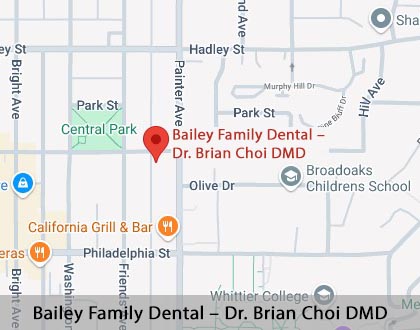

Scan here to view this page, General Dentist, on mobile



Dental Terminology
Call Us Today
If you are looking for a general dentist in Whittier, choosing the right office can make a meaningful difference in your long-term oral health. Our team focuses on personalized care, preventive treatment, honest communication, and practical recommendations that help patients feel comfortable moving forward.
Whether you need a checkup, routine care, or help with a dental concern, Bailey Family Dental - Brian Choi, DMD - Whittier, CA is here to help. Call us at 562-698-8739 to learn more about our services and schedule an appointment.
Helpful Related Links
- Google Business Profile. View Location Information
- Yelp. View Reviews
- Healthgrades. View Background Information and Reviews
About our business, license, and website security
- Bailey Family Dental – Brian Choi, DMD – Whittier, CA was established in 2020.
- We accept the following payment methods: American Express, Cash, Check, Discover, MasterCard, and Visa.
- We serve patients from the following counties: Los Angeles County and Orange County.
- We serve patients from the following cities: Whittier, La Mirada, Santa Fe Springs, La Habra, Hacienda Heights, Pico Rivera, Downey, Buena Park, Rowland Heights, and City of Industry.
- CA (License #61926). View License Information and Specifics
- National Provider Identifier Database (1811276025). View NPI Registry Information
- Norton Safe Web. View Details
- Trend Micro Site Safety Center. View Details
Related Posts

Why You Need Dental X-Rays For A Checkup
Many dental problems begin in areas that are not visible during a standard visual exam. Cavities can form between teeth, infections can develop beneath the surface, and bone loss may occur without obvious symptoms. That is why dental X-rays are such an important part of routine dental care. A general dentist uses dental X-rays to…
Signs You May Have A Cavity (Even Without Pain)
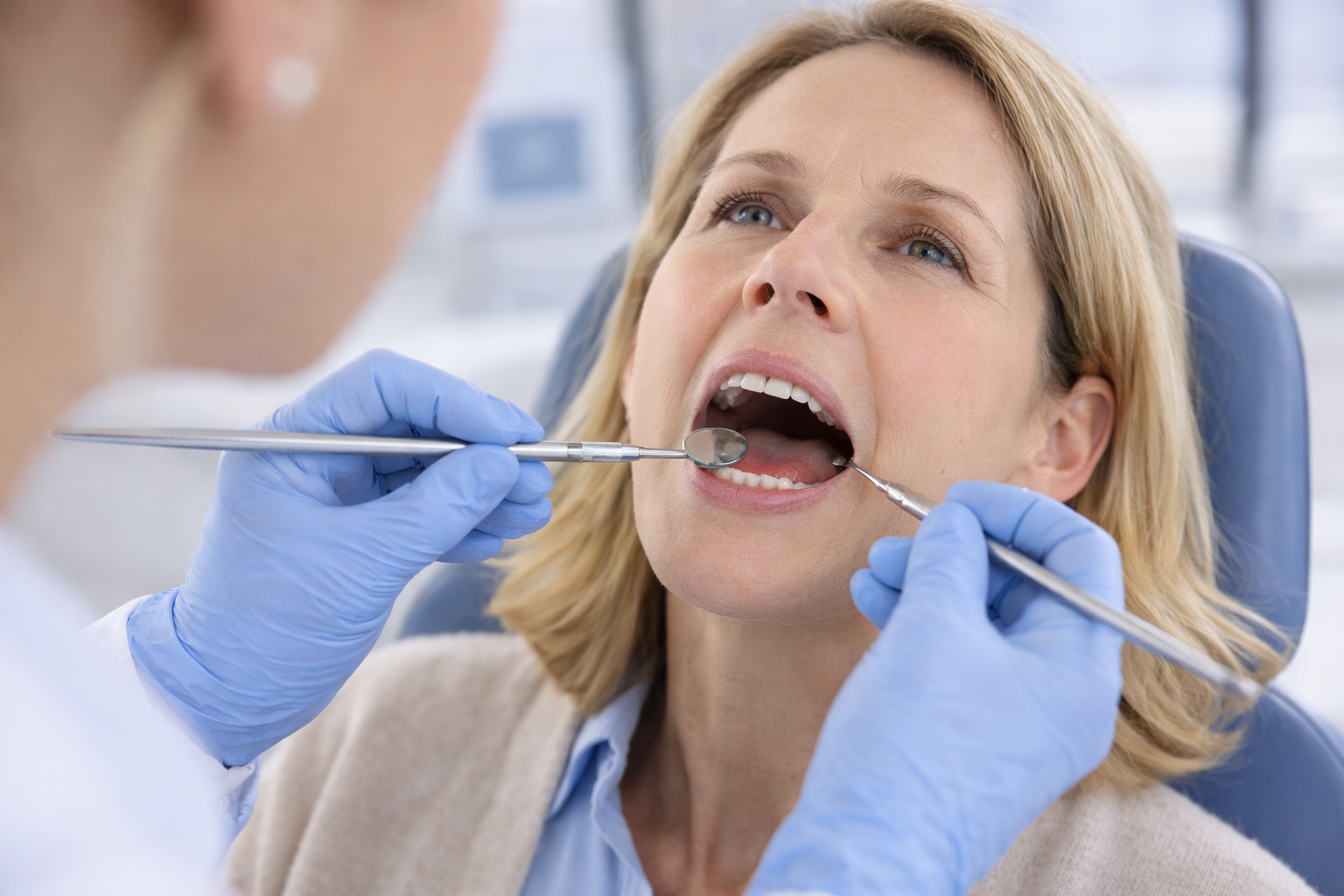
Many people assume that if their teeth do not hurt, they do not have a cavity. Unfortunately, that assumption is often wrong. Cavities can develop and progress significantly before causing any discomfort at all. Understanding the subtler signs of tooth decay can help patients seek treatment earlier, before a small cavity becomes a larger and…

Why Do My Teeth Hurt When I Eat Sweets
If your teeth hurt when you eat sweets, it is often a sign that something is affecting your enamel or exposing the inner layers of your tooth. This type of discomfort may seem minor at first, but it can indicate early tooth decay or sensitivity that should not be ignored. A general dentist can identify…

What A General Dentist Can Do For Teeth Grinding
Clenching and grinding the teeth, also known as bruxism, can wear them down and cause jaw and ear pain. General dentists can help patients with bruxism avoid pain and discomfort. This blog will review the causes, symptoms, and treatments for teeth grinding.It is common for people to be unaware they clench or grind their teeth…
Explore additional topics covered on our website:
Call Us Today

Scan here to call Bailey Family Dental - Brian Choi, DMD - Whittier, CA on mobile