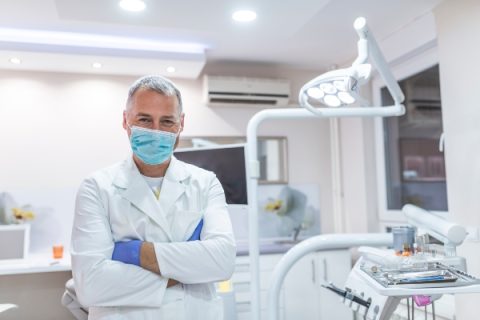
Preventive dental care helps protect your teeth and gums before problems become more serious. A general dentist can check for early signs of cavities, gum inflammation, bite problems, worn teeth, oral hygiene issues, and other concerns that patients may not notice on their own.
At Bailey Family Dental in Whittier, we focus on clear explanations, conservative treatment planning, and helping patients maintain long-term oral health through regular exams, cleanings, and prevention-focused care.
What Is Preventive Dental Care?
Preventive dental care includes the routine visits and habits that help reduce the risk of cavities, gum disease, tooth wear, infections, and avoidable dental emergencies. It usually includes regular dental exams, professional cleanings, X-rays when needed, oral hygiene guidance, and monitoring for changes over time.
Preventive care does not mean every patient needs the same treatment. Some patients mainly need routine cleanings and exams. Others may need closer monitoring because of tartar buildup, bleeding gums, dry mouth, medications, grinding, frequent cavities, or a history of gum disease.
Why a General Dentist Is Important for Prevention
A general dentist looks at the full picture of a patient’s oral health. This includes the teeth, gums, bite, existing dental work, X-rays, home care habits, symptoms, and medical history that may affect dental care.
During a dental checkup, small problems can often be found before they become painful or more expensive to treat. For example, early cavities, cracked fillings, gum inflammation, tartar buildup, and worn teeth may not always cause symptoms at first.
Personal insight: Many dental problems are easier to treat when they are found early. Patients are often surprised when we find a cavity, gum pocket, or cracked filling before it has caused pain.
How Cleanings Help Prevent Bigger Problems
Professional dental cleanings and examinations help remove plaque and tartar that brushing and flossing may miss. This is especially important around the gumline, between the teeth, and in areas that are difficult to clean at home.
Cleanings also give the dental team a chance to monitor gum health. If bleeding gums, deeper pockets, tartar buildup, or gum inflammation are present, the patient may need closer evaluation for gum disease treatment.
Preventive Care Can Lower the Risk of Dental Emergencies
Not every dental emergency can be prevented, but routine care can reduce the risk of some avoidable problems. Cavities, cracked fillings, gum infections, and untreated tooth pain can worsen over time if they are not evaluated.
Regular visits allow a dentist to identify concerns earlier and explain whether a problem can be monitored, treated conservatively, or addressed before it becomes urgent. If a patient already has swelling, severe pain, or a broken tooth, they may need an emergency dentist evaluation instead of routine preventive care.
Home Care Still Matters
Preventive dentistry also depends on daily home habits. Brushing, cleaning between the teeth, limiting frequent sugar exposure, using fluoride when appropriate, and understanding early warning signs can all help protect the mouth between dental visits.
Our Oral Hygiene Basics page explains the daily habits that support healthier teeth and gums at home.
Preventive Dental Care in Whittier, CA
Preventive care is one of the simplest ways to protect your teeth, gums, and long-term oral health. At Bailey Family Dental in Whittier, we use exams, cleanings, X-rays when appropriate, and clear communication to help patients understand what is happening in their mouth.
Due for a dental checkup or cleaning?
Preventive dental care can help catch small problems early and support healthier teeth and gums over time.
We’re currently accepting new patients.
Schedule an Appointment
Related Posts
Most tooth-colored (composite) fillings last about seven to ten years, and many last longer with good oral hygiene and regular dental visits. How long do tooth-colored fillings last for you? That depends mostly on the filling’s size, where it sits in your mouth, and everyday habits like grinding or chewing hard foods.At Bailey Family Dental…
For most patients, the answer to "does a dental filling hurt" is no. Your tooth is numbed with a local anesthetic before any work begins, so you typically feel pressure and mild vibration rather than pain. The most uncomfortable moment for many people is the brief pinch of the numbing injection, and any soreness afterward…
During a dental filling appointment, the tooth is numbed, the decayed portion is removed, the area is cleaned, and the space is filled with a tooth-colored material that is shaped and polished to match your bite. Most filling appointments take about 30 to 60 minutes, and once the filling is in place, the tooth is…