Can a Dental Abscess Go Away on Its Own?
A dental abscess, also called a tooth infection, usually does not go away on its own. Pain, swelling, or pressure may temporarily improve if the abscess drains, but the source of the infection often remains until it is treated by a dentist.
If you think you have a dental abscess, it is better to call a dentist promptly instead of waiting to see if it disappears. A dental abscess can worsen, spread, or become more difficult to treat if the cause is not addressed.
What Is a Dental Abscess?
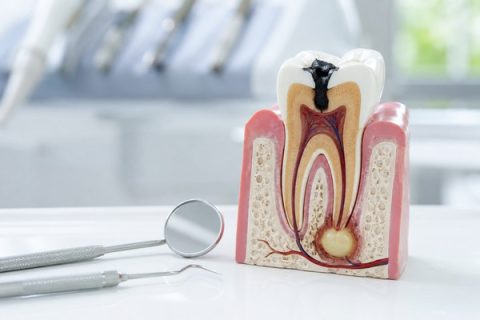
A dental abscess is a pocket of infection that can develop around a tooth, near the root, or in the gum tissue. It may be related to deep decay, a cracked tooth, trauma, gum disease, or bacteria reaching deeper areas around the tooth.
Common signs may include tooth pain, swelling, gum tenderness, a bad taste, drainage, pain when biting, or pressure near the tooth. For a broader explanation of tooth infection symptoms and treatment options, visit our Tooth Infection page.
Can a Dental Abscess Go Away on Its Own?
A true dental abscess usually does not go away on its own because the source of infection is still present. The tooth may have infected nerve tissue, a crack, deep decay, gum infection, or another problem that continues to allow bacteria to remain in the area.
Sometimes an abscess drains through the gums. When that happens, pressure may decrease and pain may feel better. However, drainage does not mean the infection has been cured. The underlying dental source still needs to be evaluated.
Why Pain Can Improve Even When the Infection Is Still There
Dental abscess pain can change over time. Some patients feel severe pressure at first, then notice that the pain improves after swelling drains or a gum bump opens. This can create the impression that the infection is healing on its own.
In reality, the infection may still be active. A draining abscess can continue to return, worsen, or spread if the tooth or gum source is not treated.
When a Dental Abscess Is Urgent
A dental abscess should be evaluated, but some symptoms are more urgent than others. Call an emergency dentist promptly if you have tooth pain with swelling, a gum bump, pus, drainage, a bad taste, fever, or pain when biting.
Go to the emergency room right away if the abscess is associated with:
- Trouble breathing
- Trouble swallowing
- Severe facial swelling
- Swelling spreading toward the eye, neck, or under the jaw
- Fever with facial swelling
- Confusion, weakness, dehydration, or feeling very ill
- Rapidly worsening symptoms
If you are unsure whether to call a dentist or go to the ER, our Emergency Dentist vs. Emergency Room page explains how to decide.
Can Antibiotics Make a Dental Abscess Go Away?
Antibiotics may be recommended in some situations, especially if infection is spreading, swelling is worsening, or there are certain medical concerns. However, antibiotics alone usually do not remove the dental source of the abscess.
If the infection is coming from inside the tooth, treatment may involve root canal treatment if the tooth can be saved. If the tooth is too damaged, cracked, or unsupported, tooth extraction may be needed instead.
What Happens If You Ignore a Dental Abscess?
Ignoring a dental abscess can allow the infection to worsen or spread. The tooth may become harder to save, swelling may increase, and the infection may affect nearby tissues.
If the abscess is related to a tooth that can be saved, earlier treatment may make the plan more predictable. If the tooth cannot be saved, delaying care can still allow pain, swelling, or infection risk to increase.
How a Dentist Checks a Dental Abscess
A dentist may check the tooth, gums, swelling, drainage, bite tenderness, dental X-rays, and nearby bone support. The goal is to find the source of the abscess and determine whether the infection is coming from the tooth, gums, a crack, trauma, or existing dental work.
Personal insight: In our office, a draining gum bump or temporary pain relief does not automatically mean the problem is resolved. We still look for the source of infection because the tooth or gum area may continue to reinfect until the cause is treated.
So, Can a Dental Abscess Go Away on Its Own?
A dental abscess usually does not go away on its own. Symptoms may temporarily improve, especially if the abscess drains, but the infection source often remains.
If you think you have a dental abscess, call a dentist for guidance. If swelling is severe, spreading, affecting breathing or swallowing, or happening with fever or feeling very ill, go to the emergency room right away.
Reviewed by Brian Choi, DMD
General Dentist at Bailey Family Dental in Whittier, CA
Updated: July 2026
Concerned about a dental abscess?
A dental abscess should be evaluated before symptoms worsen or spread. Bailey Family Dental in Whittier can check the tooth, review X-rays, look for swelling or drainage, and explain whether treatment may involve root canal treatment, extraction, medication, or another next step.
We’re currently accepting new patients.
Request an Appointment